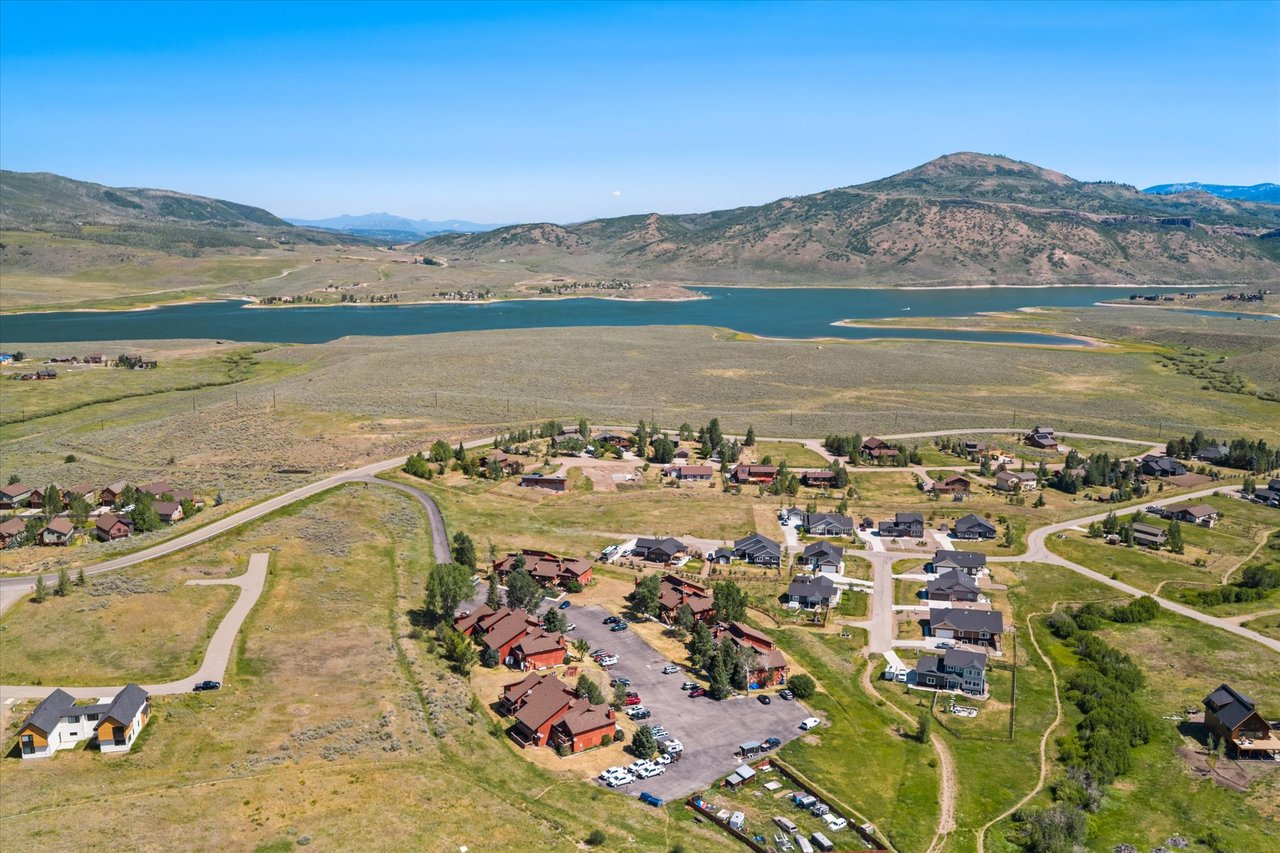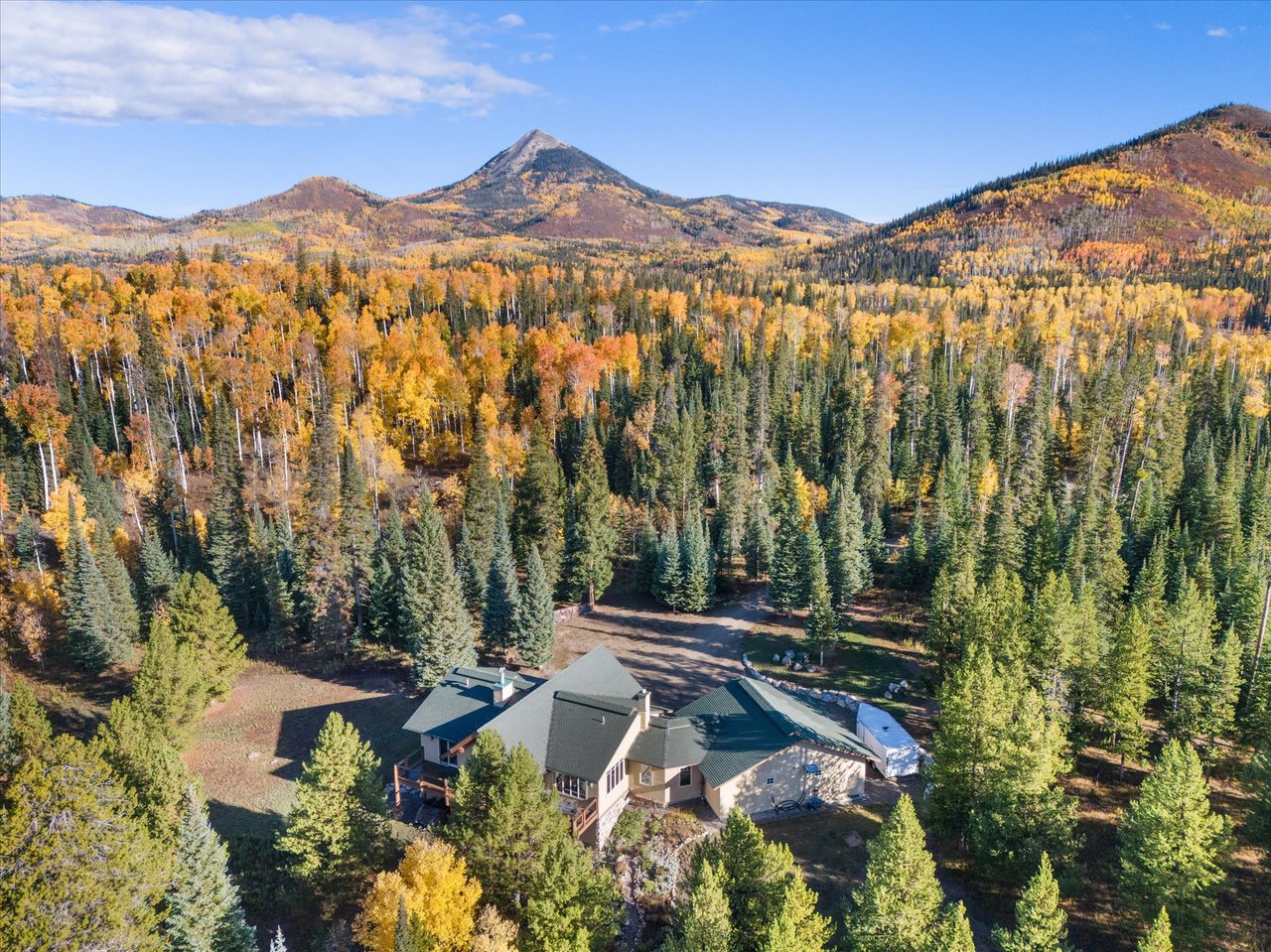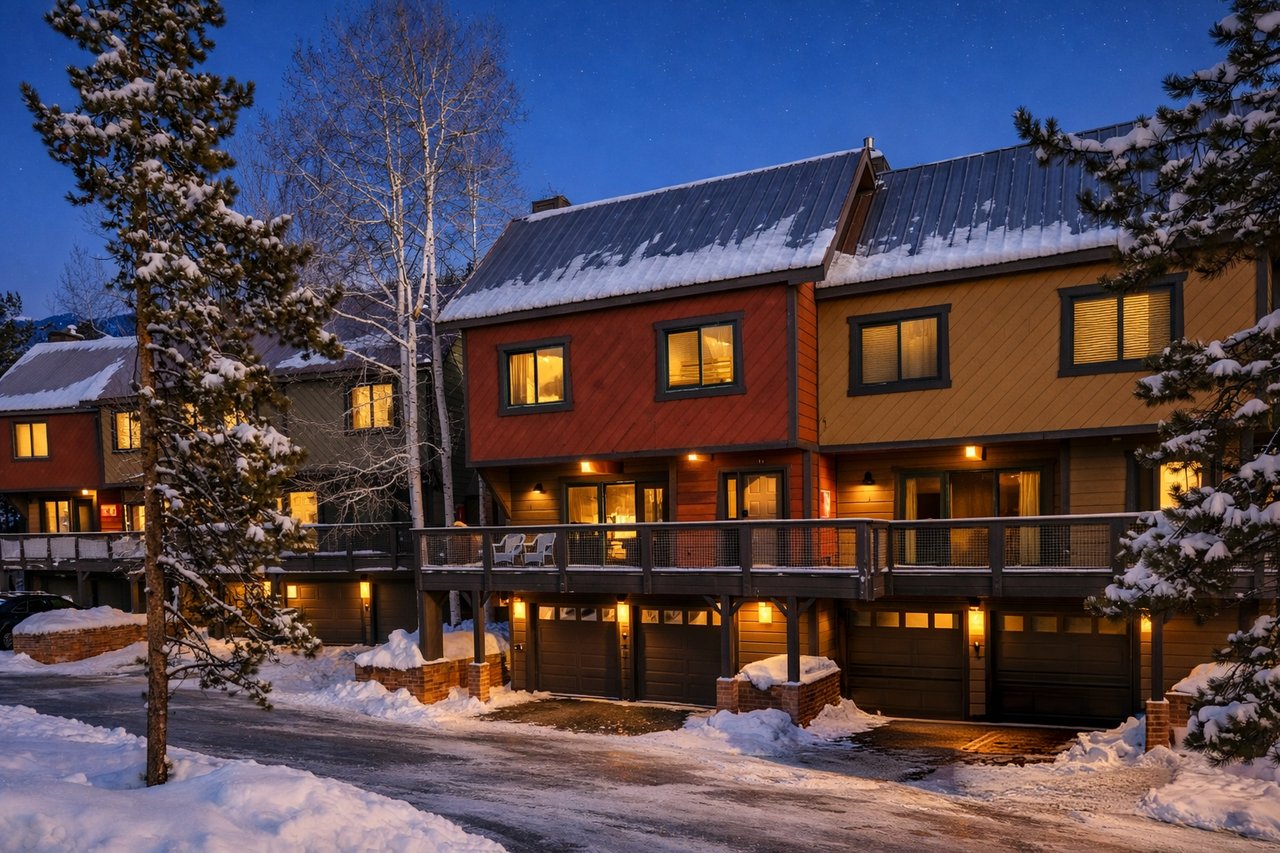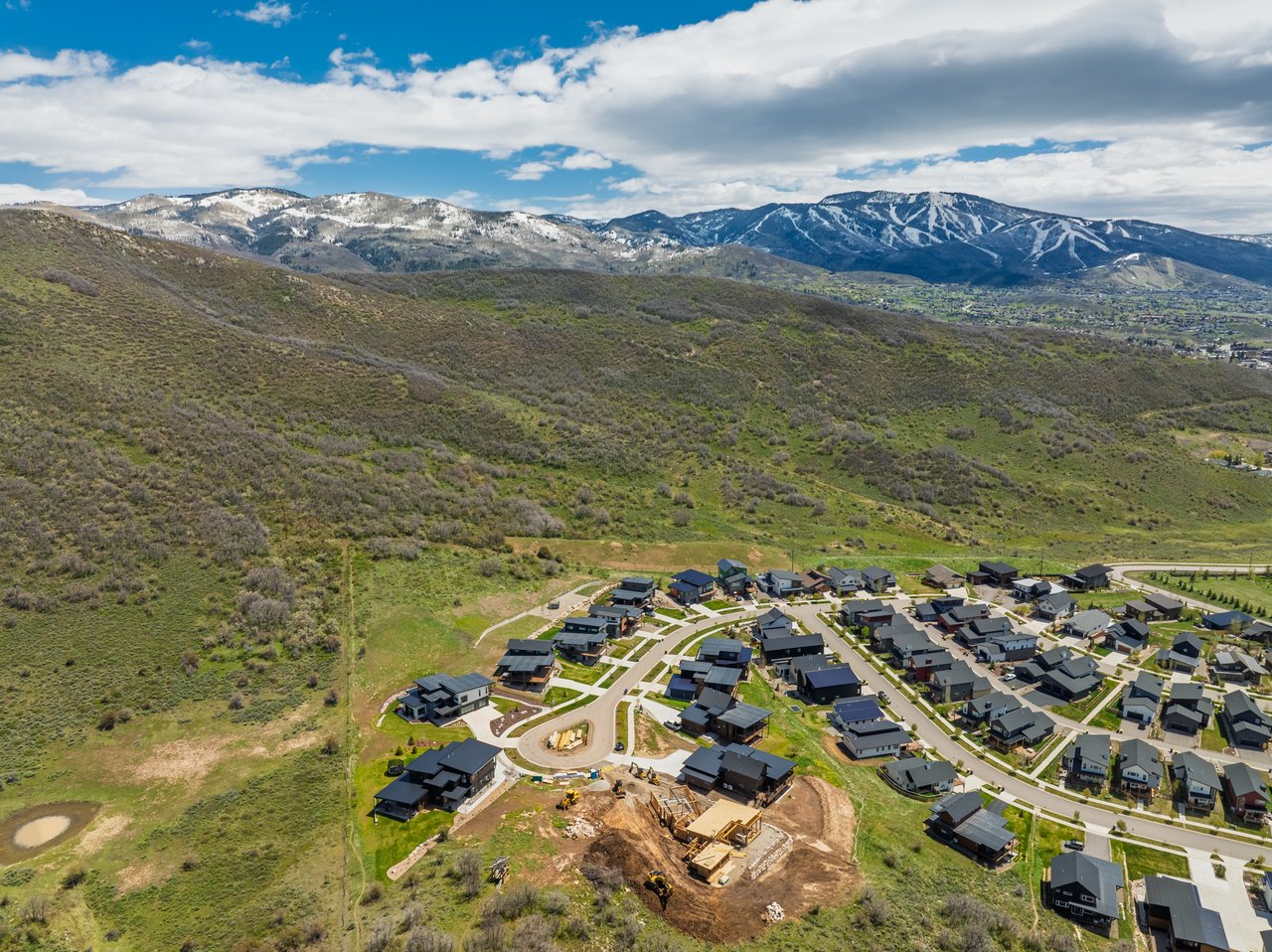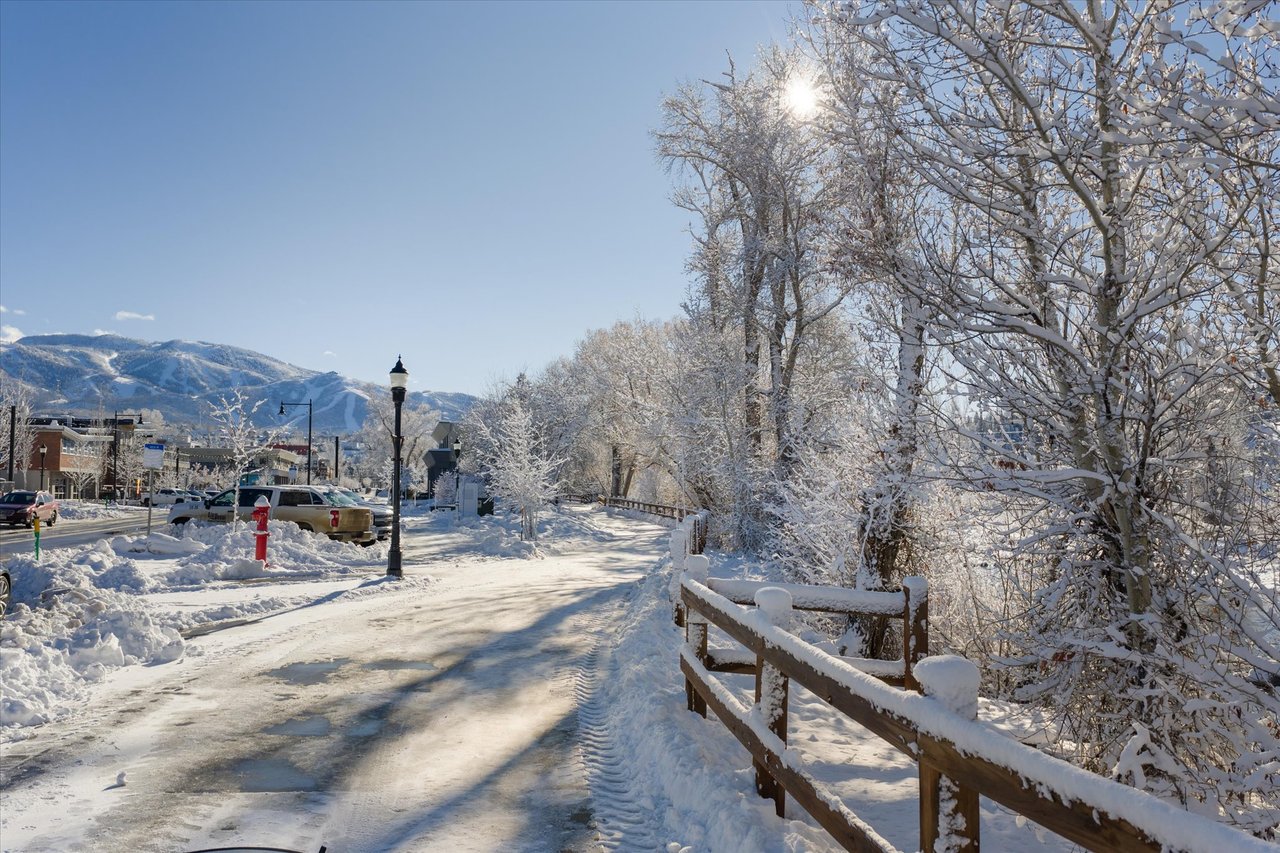
Catamount Ranch & Club is legally and physically two different places. The golf side sits five miles south of Steamboat Springs on Highway 40, twenty five home sites wrapped around an eighteen hole course. The lake side sits ten miles south on Highway 131, a different road entirely, with its cabins, cottage lots and the 530 acre reservoir that gives the property its name. The Catamount Metropolitan District, which has run both halves for decades, still describes them as separate places on its own site. That split matters more in late September than it does most of the year, because the two halves of one membership are ending their season on two different schedules, and neither one has much to do with what starts happening at the edge of the Sarvis Creek Wilderness a few miles past the property line.
The Golf Side and the Lake Side Don't Wind Down Together
The golf course is the alpine part of the operation, a Tom Weiskopf design that plays 7,088 yards at par 72 through open meadow, built with an Audubon Society certification for its environmentally sensitive layout. Courses at that elevation lose playable days fast once overnight temperatures start dropping into the low thirties, and the turf calendar on the Highway 40 side has never run on the same clock as the water calendar ten miles away on Highway 131.
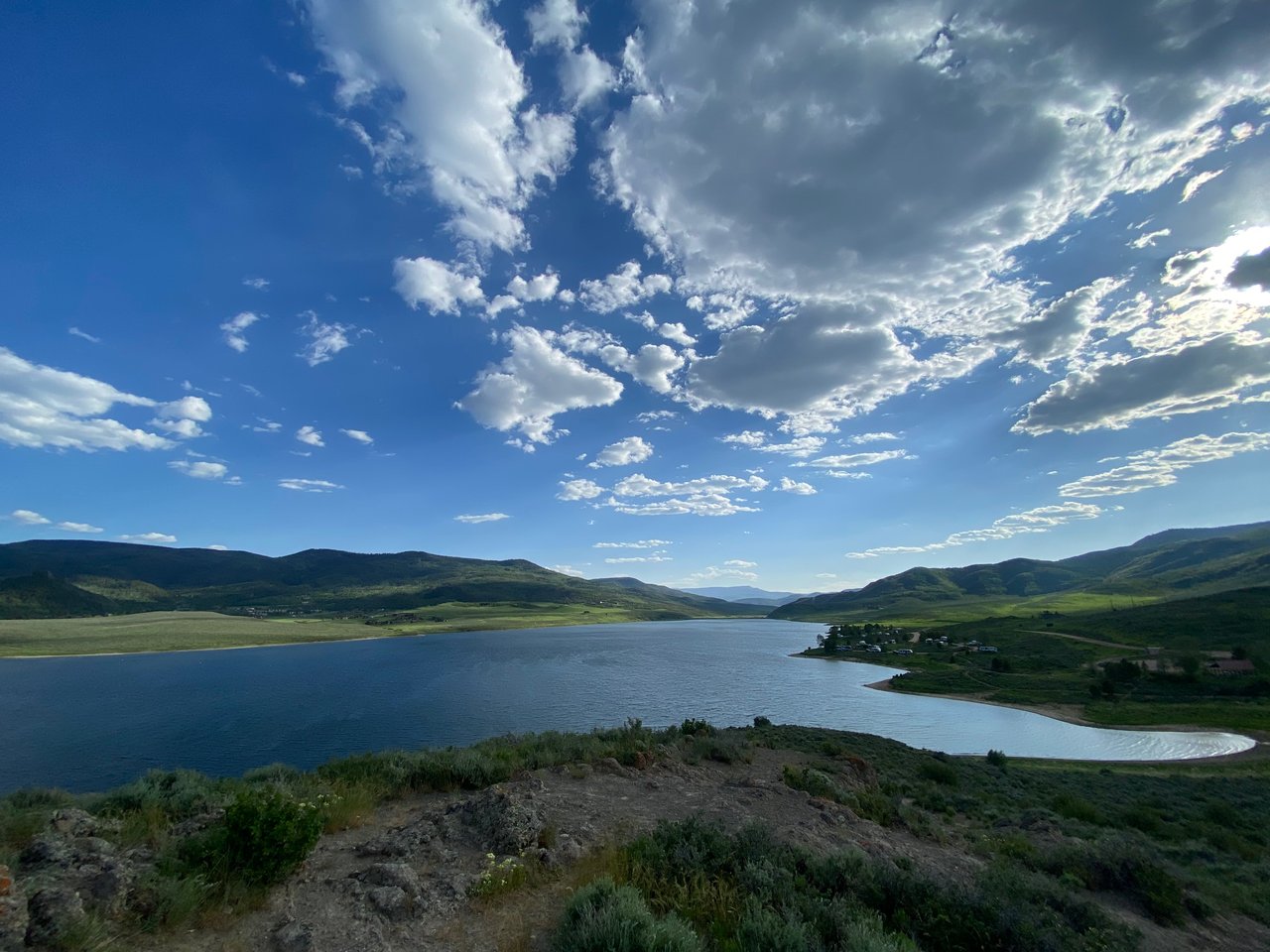
The lake side keeps going longer. A 530 acre private reservoir holds heat differently than a golf green, and the club's Outfitter's Center rents out kayaks, paddleboards, canoes and a pontoon boat that stay in rotation until the water itself forces the issue, not the thermometer on the ninth tee. Fishing gear is available to borrow at the clubhouse for anyone fishing the lake, and because it sits on private property, a Colorado state license isn't required to use it.
Of the club's dining rooms, only one is open to anyone outside the membership. The Periodic Table, the clubhouse restaurant, seats the public Wednesday through Sunday starting at five o'clock, and as of the club's own current listing it's still running on what it calls a summer menu. That's the most visible marker a non-member has for tracking where the season actually stands. The other three dining rooms on the property, the Lake House Grille, the Pool Grille and the Whistle Pig Grille, are for members only, which means most of the neighborhood watches this transition from outside the fence.
What the Lake Side Preserved
The lake property carries more history than the golf side does. It was settled originally in small homestead parcels more than a century ago, before harsh winters and deep snow pushed most of those early residents out. The club has kept one structure from that era standing on the southeast side of the lake, and describes the work simply on its own materials:
"the only remaining homestead on the lake property, an early 1900s home and barn"
There's a stranger footnote from the decade before any of this existed as a private club. In the early 1970s, the Lake Catamount site was floated as a possible location for the downhill portions of Colorado's Olympic bid. It never happened, but the ground under the current clubhouse deck was once drawn on a map as a ski venue rather than a golf hole.
The Wilderness Doesn't Check the Clubhouse Calendar
Property listings along this stretch of Highway 131 sell proximity to the Sarvis Creek Wilderness the same way listings elsewhere sell proximity to a ski lift, as a defined feature rather than a scenic backdrop. Parcels near the lake back directly onto national forest, and the marketing language around them is specific about what that access is for: hiking, wildlife viewing, and big game hunting.
That's the part of South Valley's year that has nothing to do with the club at all. Archery and rifle seasons move through the surrounding national forest each fall on Colorado Parks and Wildlife's calendar, which answers to state game management, not to Steamboat's tourist economy or to whether the ninth fairway is still getting mowed. The same weeks the clubhouse restaurant trims down to five nights and the golf side starts losing daylight, the wilderness boundary a few miles further south is entering its busiest stretch of the year for an entirely different set of visitors.
The Spillway Runs on a Federal Grant Timeline
There's a third calendar at work here, and it's the one fewest people notice. Lake Catamount has had a northern pike problem since 1996, when the invasive predator was first captured there, and Colorado Parks and Wildlife has spent since 2007 netting and managing the population. The issue is mechanical: the lake's spillway is 110 feet wide and 35 feet tall, and when the reservoir spills during high summer flows, pike can ride the water over the top and down into the broader Yampa River watershed, where they threaten native and endangered fish species.
District manager Joel Anderson, who has run Catamount's infrastructure for thirty years, put it plainly to a local reporter: "We spill pretty regularly throughout the summer." Partnering agencies had been discussing a fix since 2016, using a roughly 600 foot netting system installed at Elkhead Reservoir in September of that year as one model. In 2024, a $1.2 million federal grant was awarded to the Upper Colorado River Endangered Fish Recovery Program to design an escapement feature for the Catamount spillway, part of a larger $21 million Bureau of Reclamation funding round under the Bipartisan Infrastructure Law. The design itself is being handled by the U.S. Bureau of Reclamation. None of that timeline moves faster or slower because a ski season is approaching. It moves on the schedule of federal grant administration and engineering review, which is its own kind of clock entirely.
Three Systems, One Stretch of Road
None of this runs on the assumption that summer just ends in South Valley the way it might feel like it does driving past a quiet clubhouse parking lot. The golf side loses its light first. The lake side keeps its boats out a while longer and keeps one restaurant open to outsiders on a shrinking schedule. The wilderness boundary picks up exactly as the club's public footprint shrinks. And underneath all of it, a spillway engineering project keeps moving on a timeline that has nothing to do with any of the above.
If you live along this stretch of 131, the useful question this time of year isn't whether summer is over. It's which of South Valley's separate calendars actually governs what you're trying to do this week, whether that's getting a table at the one restaurant still open to the public, getting the boat out before the water turns, or just understanding why the district's trucks are still parked near the spillway well past Labor Day.
The Boyd & Berend Group spends a lot of time in this part of the valley and keeps track of how its different seasons actually line up. Schedule a consultation if you'd like to talk through what any of it means for property here.