Buying acreage in South Routt can look simple on paper. A parcel may show big views, generous acreage, and room to build, but the real story often comes down to access, water, zoning, and what surrounds the land. If you are exploring ranch or acreage opportunities in Oak Creek, Yampa, Phippsburg, or the broader Highway 131 corridor, a clear due diligence process can help you avoid expensive surprises and make a more confident decision. Let’s dive in.
Why South Routt draws acreage buyers
South Routt offers a distinctly rural property mix within Routt County, where land use is shaped by a large amount of public and agricultural acreage. Routt County reports more than 1.5 million acres overall, including about 755,000 public acres and about 710,000 agricultural acres. That wider landscape matters because neighboring land status can affect privacy, access, utility options, and future use patterns.
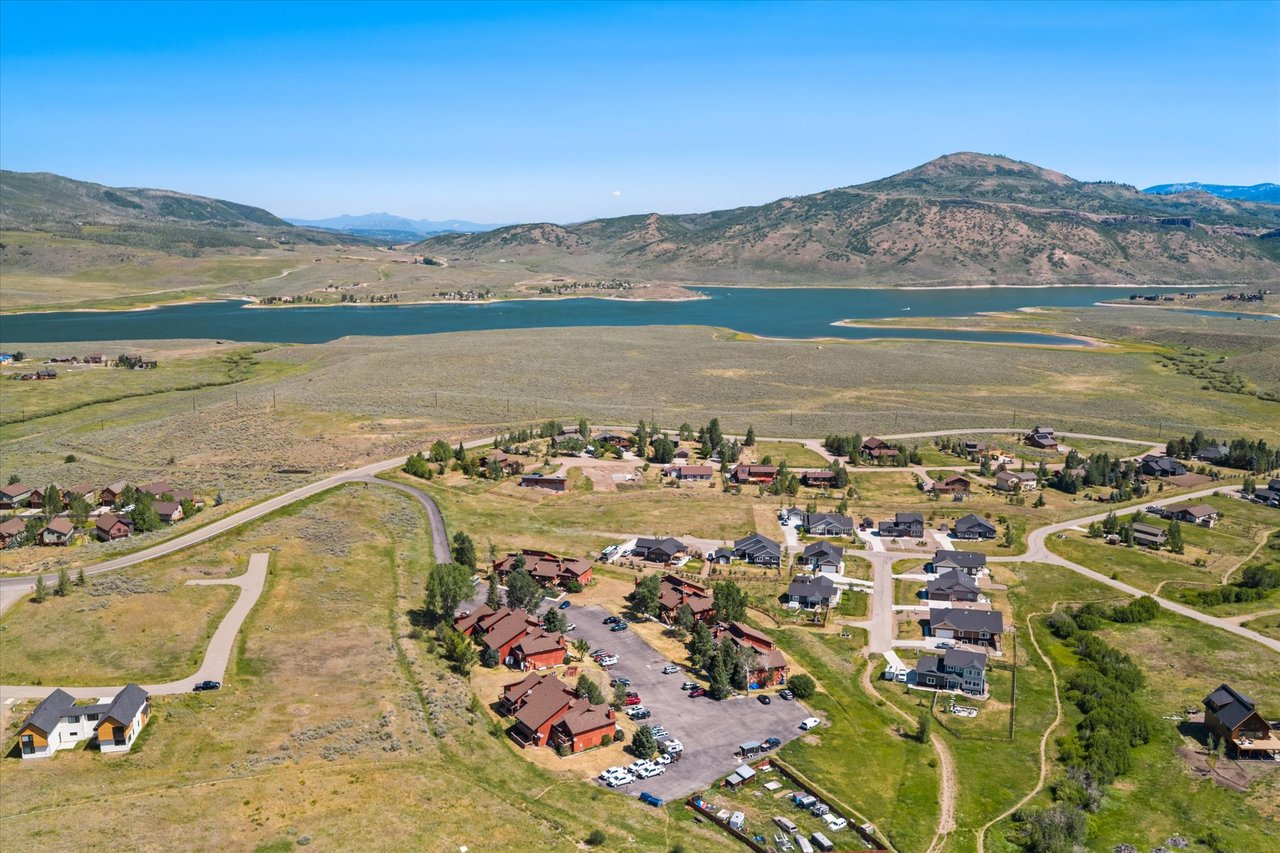
The core South Routt search area often follows Highway 131. Oak Creek is 17 miles south of Steamboat Springs on Highway 131, and Yampa also sits along CO-131 between Steamboat Springs and Wolcott. Phippsburg adds another layer to the market because it is an unincorporated community, which means some properties in this area fall under county land-use rules rather than town rules.
Start with location and jurisdiction
One of the first questions to answer is whether the property is inside town limits or in unincorporated Routt County. That may sound minor, but it can shape zoning, permitting, utility service, and review paths for future plans. A parcel near Oak Creek or Yampa may still have a very different approval process depending on where the boundary sits.
Routt County’s public map tools can help you identify parcel lines, tax districts, planning and zoning layers, road information, and special district boundaries. The county also provides maps for Oak Creek town limits, Yampa town limits, county roads, and public and conserved lands. For acreage buyers, these map layers are useful early screening tools because they show whether a parcel sits near conserved land, district boundaries, or public land interfaces.
Access matters more than acreage count
Acreage buyers often focus first on size, views, or building sites. In South Routt, legal access should move to the top of the list very quickly. A beautiful parcel can become far less practical if access is uncertain, shared in a complicated way, or tied to permits you have not fully reviewed.
Routt County GIS manages addressing for unincorporated areas and requires a unique road name for any existing or proposed road serving two or more buildable lots. The county also states that an address number is required before a building permit is issued. That is a strong reminder that road layout and access documentation are not side issues. They are part of the buildability picture.
Check who controls the road
You will want to confirm whether access comes from a county road, a private road, or a state highway connection. That distinction can affect permits, maintenance, and future improvement costs. If your driveway connects to a county road, a county permit is required. If access ties into a state highway, CDOT access permit rules apply.
Plan for winter access
Winter logistics deserve close attention in South Routt. Routt County says it does not maintain state highways, town streets, or private roads, and some roads receive minimal or no winter maintenance and may close during winter months. A parcel that feels easy to reach in July may operate very differently in January.
You should also verify whether private snow removal is allowed and whether permits are needed. Routt County notes that a plowing permit is required for private plowing on county-maintained roads with public right-of-way. For buyers who plan year-round use, emergency access and seasonal road conditions should be treated as core decision factors, not afterthoughts.
Use maps carefully and verify with records
County GIS is an excellent starting point, but it is not the final word on boundaries or site-specific decisions. Routt County states that its offline maps are approximate, are not accurate to surveying or engineering standards, and are not suitable for site-specific decision making. In practical terms, that means you should not rely on a map screenshot when evaluating access, improvements, setbacks, or exact parcel lines.
Instead, rural buyers should pair map review with a current survey, title review, and a search of recorded documents. That is especially important for legacy parcels, irregular tracts, or properties with long access routes. The goal is to confirm what you can legally reach, use, and build before you move too far down the road.
Water is a major decision point
On South Routt acreage, water often becomes one of the biggest drivers of feasibility and timing. The Colorado Division of Water Resources says well permits are required for new or replacement wells. The permit file also identifies allowable uses for the well and includes construction and pump installation records.
That detail matters because not every well permit allows the same uses. If you are evaluating a parcel for a home, livestock, or broader ranch use, the permit file should be reviewed carefully. DWR also notes that complete permit review can take up to 49 days, so well-related questions can affect your timeline to close or build.
Private well responsibility
Colorado public health guidance states that private wells are not regulated under the Safe Drinking Water Act and do not receive the same routine regulatory protections as public water systems. That means the well owner is responsible for water safety. For buyers, testing and documentation are important parts of due diligence rather than optional extras.
Septic and utility service can vary parcel by parcel
Wastewater is the next major checkpoint. Routt County Environmental Health issues permits for the construction, use, and repair of on-site wastewater treatment systems, and those permits are valid for one year from issuance. The county also requires OWTS installers and cleaners or inspectors to be registered locally.
That may influence both cost and timing if a system needs repair, replacement, or a new permit. If a parcel has an existing septic system, you will want to confirm its permit status and whether it still fits your intended use. If it does not, a new OWTS review may become part of the purchase decision.
Utility service should also be verified early instead of assumed. Routt County’s map resources include special district layers for services such as water and sanitation, including a Phippsburg Water + Sanitation District map. In rural transactions, this can help clarify whether a property may have district-based utility service or whether it depends entirely on private systems.
Zoning shapes what the land can become
If the parcel is in unincorporated South Routt, the Routt County Unified Development Code governs land use, development, and subdivision. That framework can be especially important for buyers looking at ranch properties, legacy land, or parcels with long-term plans beyond a simple home site. Uses that seem possible in theory may still need review under the county process.
County planning materials show that formal hearings may involve the Planning Commission, Board of Adjustment, or Board of County Commissioners. So if a property raises variance, subdivision, or special use questions, it is wise to expect a more structured review path.
Agriculture and legacy land uses
The county’s use table includes the AF Agriculture and Forestry zone district and lists ranching, farming, and general agriculture as uses on parcels one acre or larger. The same table also references uses such as agritourism and guest-ranch uses. That does not mean every parcel is ready for every concept, but it does show why zoning review is so important when you are evaluating land with broader use potential.
County planning also points buyers to guidance on land-preservation subdivision, secondary dwelling units, agricultural structures, and dimensional standards. These details can affect how a property functions over time, especially if your goals include flexibility for outbuildings, multiple structures, or long-range stewardship of the land.
Agricultural tax treatment deserves a close look
In Routt County, agricultural classification can make a major difference in assessed value. CSU Extension says agricultural classification is available for parcels used to grow crops or graze livestock with the primary purpose of profit. The owner must provide clear evidence of agricultural use, show that the use has continued for three consecutive years to qualify, and then continue annual proof to maintain the classification.
For a buyer, that means you should verify current tax status rather than assume the tax picture will remain the same after closing. A property marketed as ranch or acreage land may have a very different assessed value depending on whether it currently qualifies for agricultural treatment. Routt County’s Property Records Search can help you review parcel maps, land and building attributes, sales history, mill levy breakdowns, and prior valuation notices.
Recorded documents can change the whole story
Some of the most important details in an acreage purchase are not obvious from a drive-by showing. Easements, plats, access agreements, and other recorded instruments can shape what you can build, where you can drive, and what restrictions apply. That is why recorded-document review is so important in South Routt.
Routt County’s Clerk and Recorder provides access to recorded documents and a Land Survey Plat Index. These records can help identify plats, easements, and other instruments that affect the property. They should be reviewed alongside GIS maps, survey work, and title materials to build a complete picture.
Natural hazards should be part of your evaluation
Rural ownership in South Routt also comes with environmental and seasonal considerations. Routt County’s hazard mitigation planning addresses wildfire, flooding, drought, and severe winter weather. These are not abstract planning topics. They can affect insurance, site planning, defensible space strategy, and seasonal access.
The county also states that Routt County participates in the National Flood Insurance Program, so flood insurance is available even outside high-risk zones. Whether or not a parcel appears low risk at first glance, it is still smart to review flood context, drainage patterns, and wildfire conditions as part of a full land evaluation.
A practical South Routt acreage checklist
Before you move forward on a ranch or acreage property, try to answer these questions clearly:
- Is the parcel inside town limits or under unincorporated county jurisdiction?
- Does legal access come from a county road, private road, or state highway connection?
- Who maintains the road in winter, and are seasonal closures possible?
- Is there a current well permit, and what uses does it allow?
- Is the wastewater system permitted, or will a new OWTS be needed?
- Is the property served by a utility district, or does it rely on private systems?
- What zoning district applies, and does it match your intended use?
- Is the parcel receiving agricultural tax treatment, or is it assessed at market use?
- Are there easements, plats, conservation restrictions, or special district boundaries that affect the land?
Why process matters in South Routt
South Routt can offer some of the most compelling land opportunities in the Yampa Valley, but these properties reward careful evaluation. In this part of Routt County, the best decisions usually come from looking beyond the acreage number and into the details that shape day-to-day ownership. Access, water, zoning, tax status, and recorded restrictions often tell you more than a photo gallery ever will.
If you are considering a ranch or acreage purchase in Oak Creek, Yampa, Phippsburg, or nearby areas, a guided process can help you sort through the moving parts with more clarity. To talk through South Routt land opportunities and what to evaluate before you buy, schedule a consultation with The Boyd & Berend Group.
FAQs
What should you check first when buying acreage in South Routt?
- Start by confirming jurisdiction, legal access, winter road maintenance, water source, wastewater setup, and zoning before focusing too heavily on acreage size or views.
How important is winter road access for South Routt land?
- Winter access is very important because Routt County says some roads receive minimal or no winter maintenance and some may close during winter months.
Do South Routt acreage properties always have public water and sewer?
- No. Utility service can vary by parcel, and some properties may have district-based service while others rely on private wells and on-site wastewater systems.
How do well permits affect a South Routt acreage purchase?
- Well permits matter because they identify allowable uses and can influence both how you use the property and how long your review or build timeline may take.
Can agricultural tax status lower costs on Routt County land?
- Agricultural classification can affect assessed value, but it requires qualifying agricultural use, proof of use for three consecutive years, and continued annual proof to maintain that classification.
Why is a survey important for South Routt ranch land?
- A survey is important because county map tools are approximate and are not suitable for site-specific decision making on boundaries, access, or improvements.