Looking for more elbow room in Steamboat? West Steamboat is often where that search begins, but the answer is not always as simple as buying a bigger lot. As you move west, the area shifts from city-served neighborhoods to more county-oriented parcels, and that change can affect everything from utilities to winter access. If you want more space without losing sight of convenience, this guide will help you understand what to look for and what questions to ask. Let’s dive in.
Why West Steamboat Stands Out
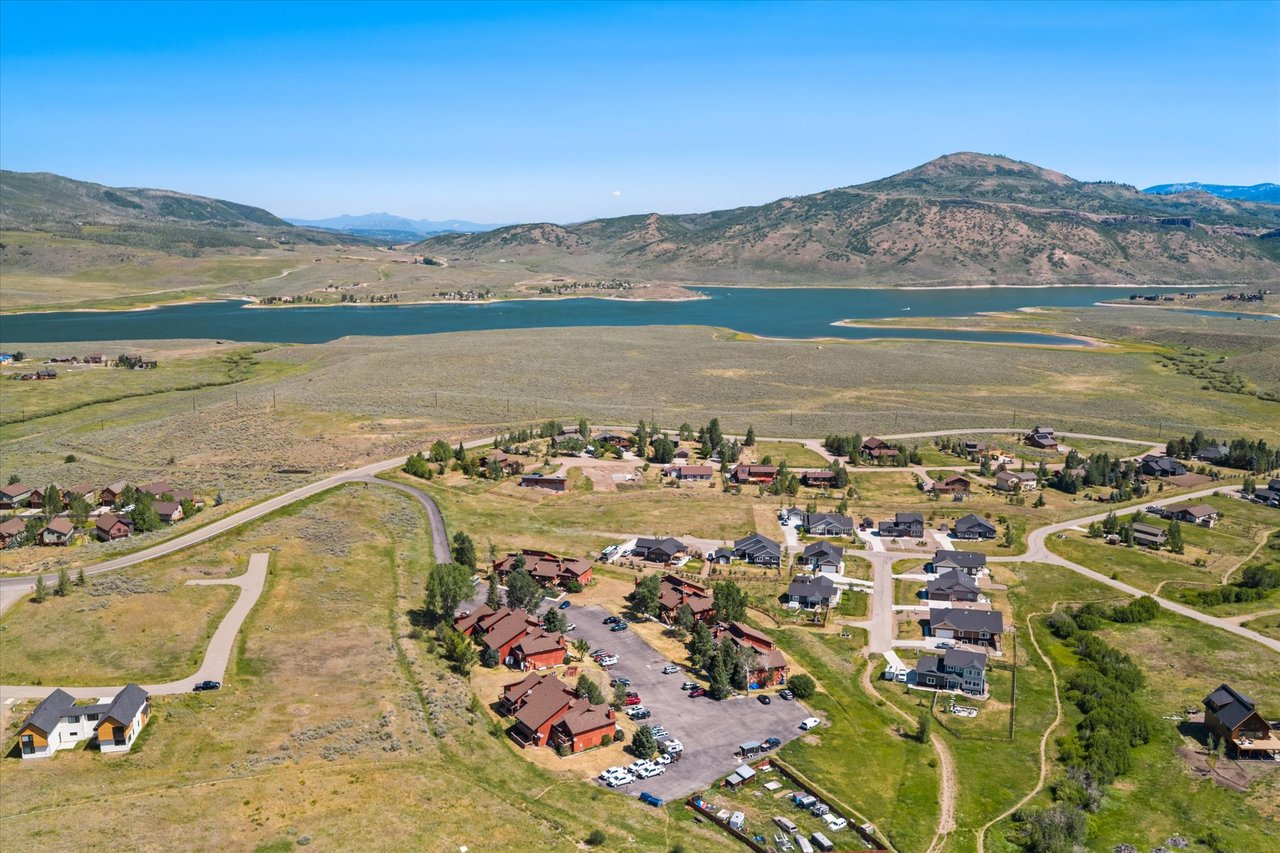
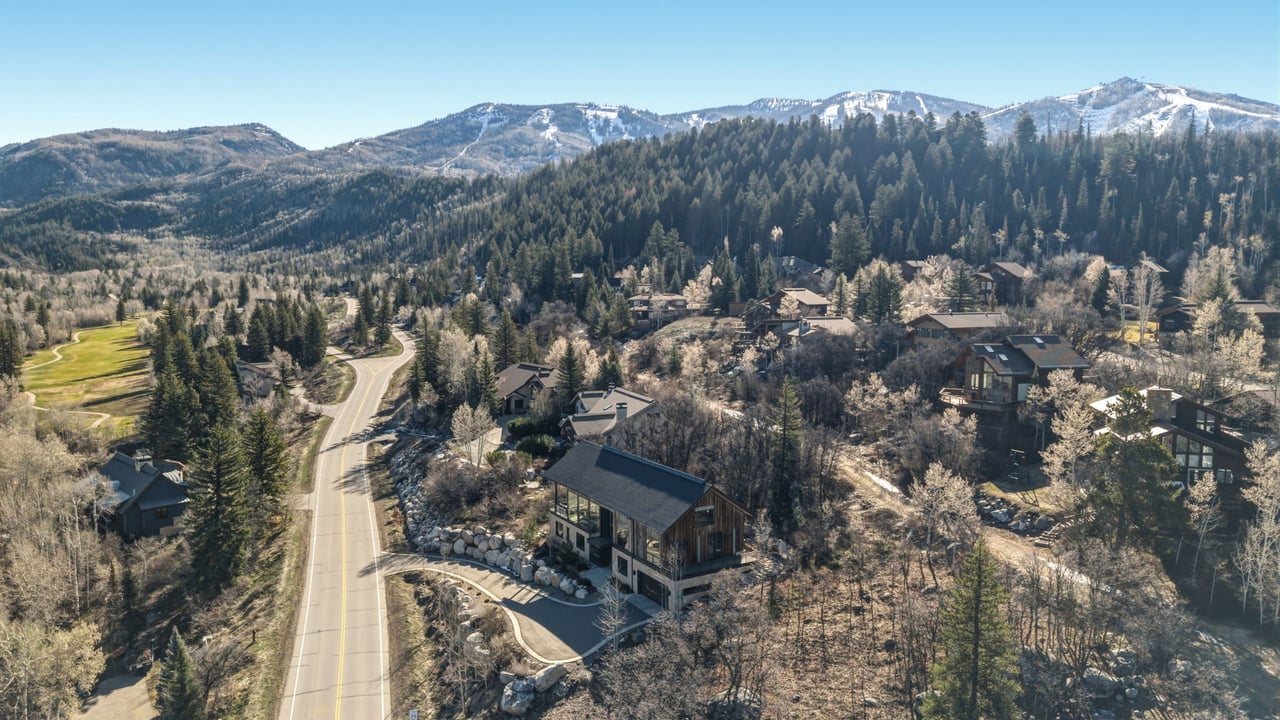
West Steamboat is best understood as a corridor, not one uniform neighborhood. It sits at the transition from in-town Steamboat Springs to more county-style living in Routt County. That makes it especially appealing if you want extra room while still staying connected to town.
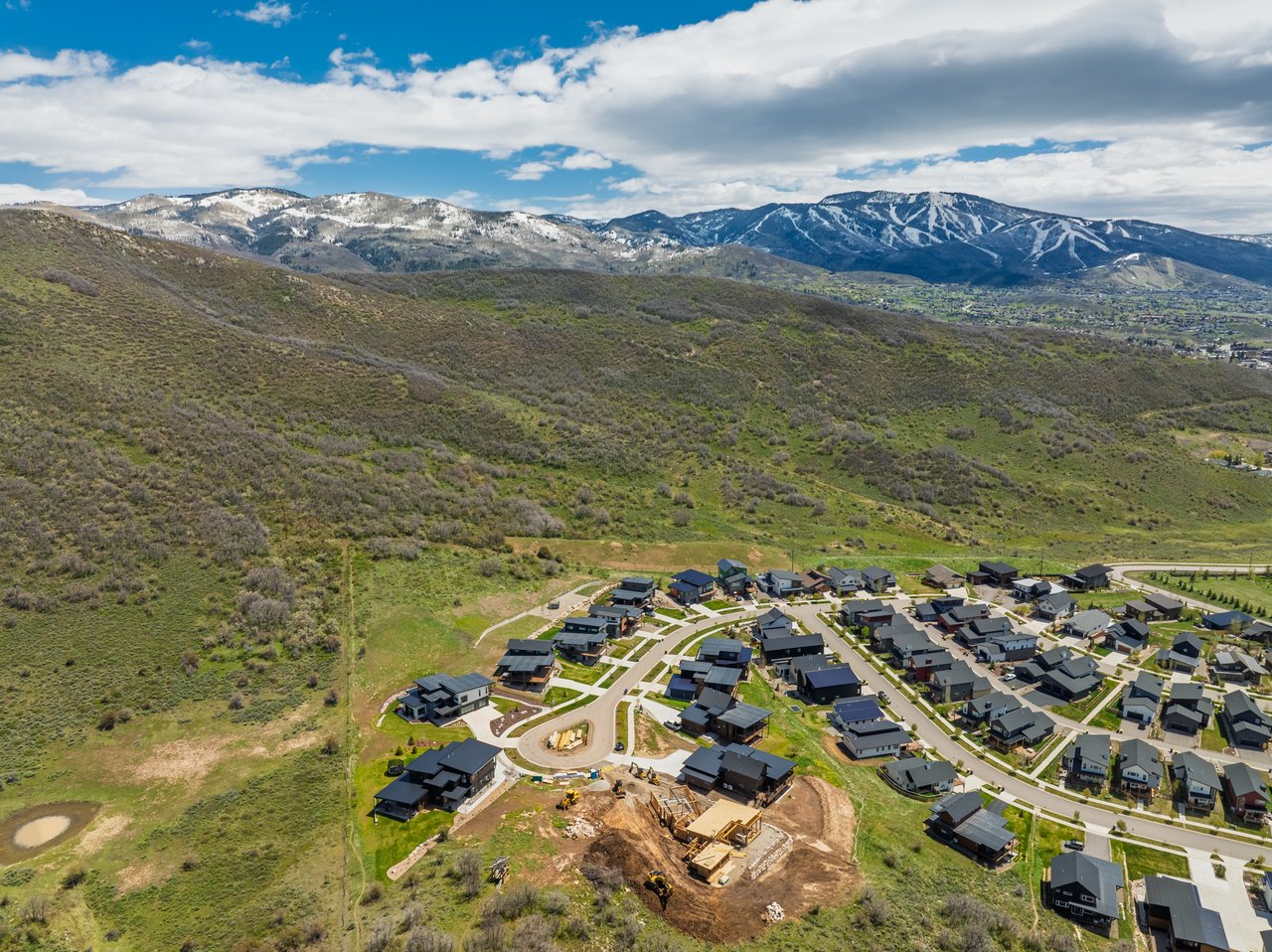
This west-side gradient is really the heart of the story. In one direction, you may find established neighborhoods with city services and a more familiar subdivision layout. Farther west, you may find properties with more land, fewer uniform neighborhood controls, and a feel that is closer to rural Routt County.
What “More Space” Can Mean Here
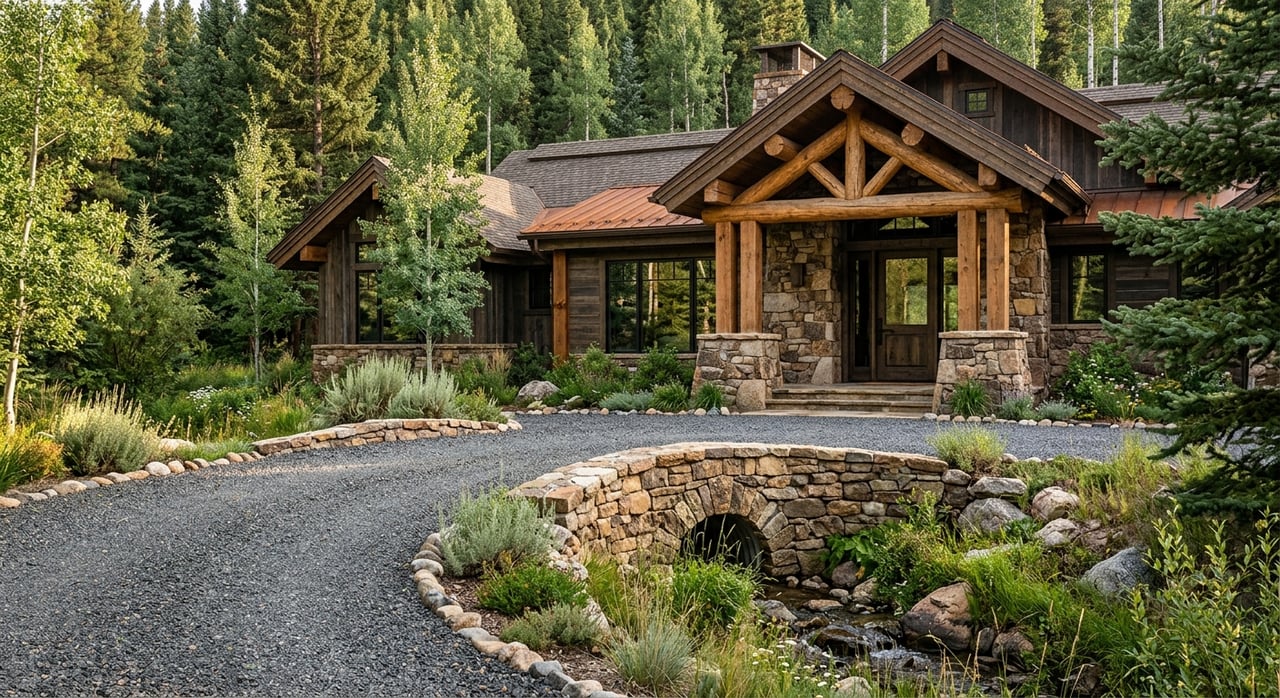
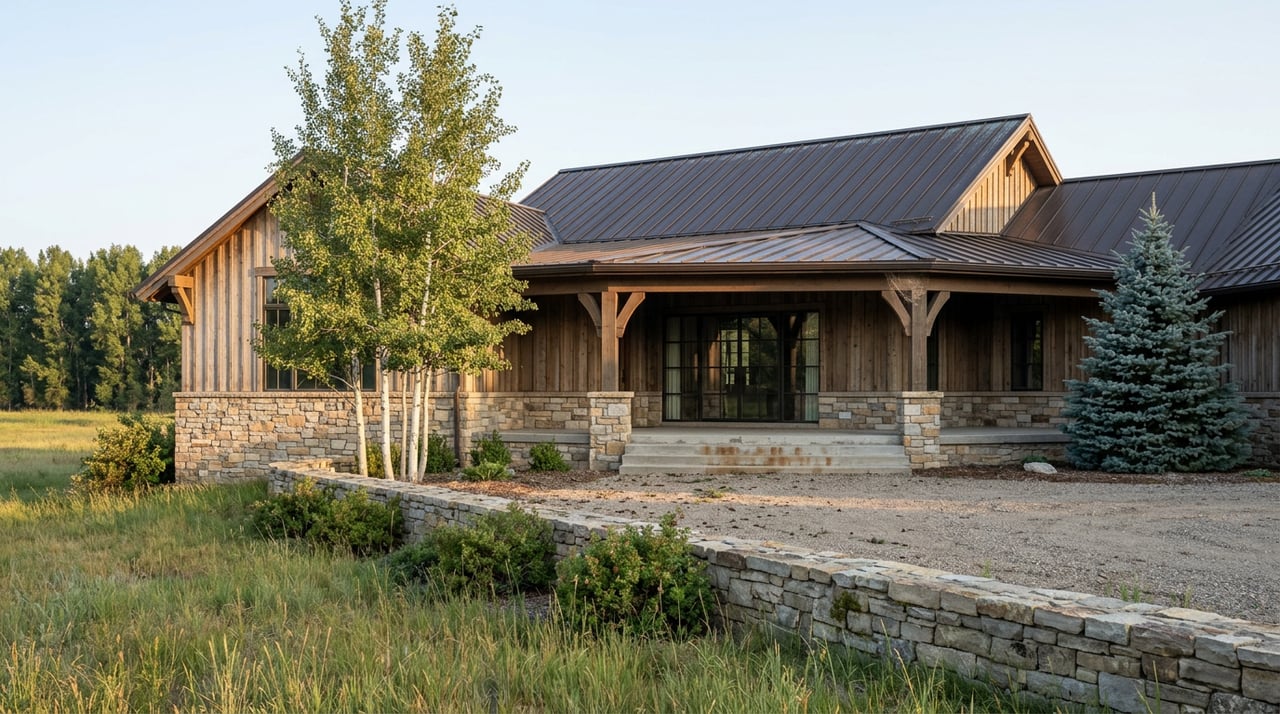
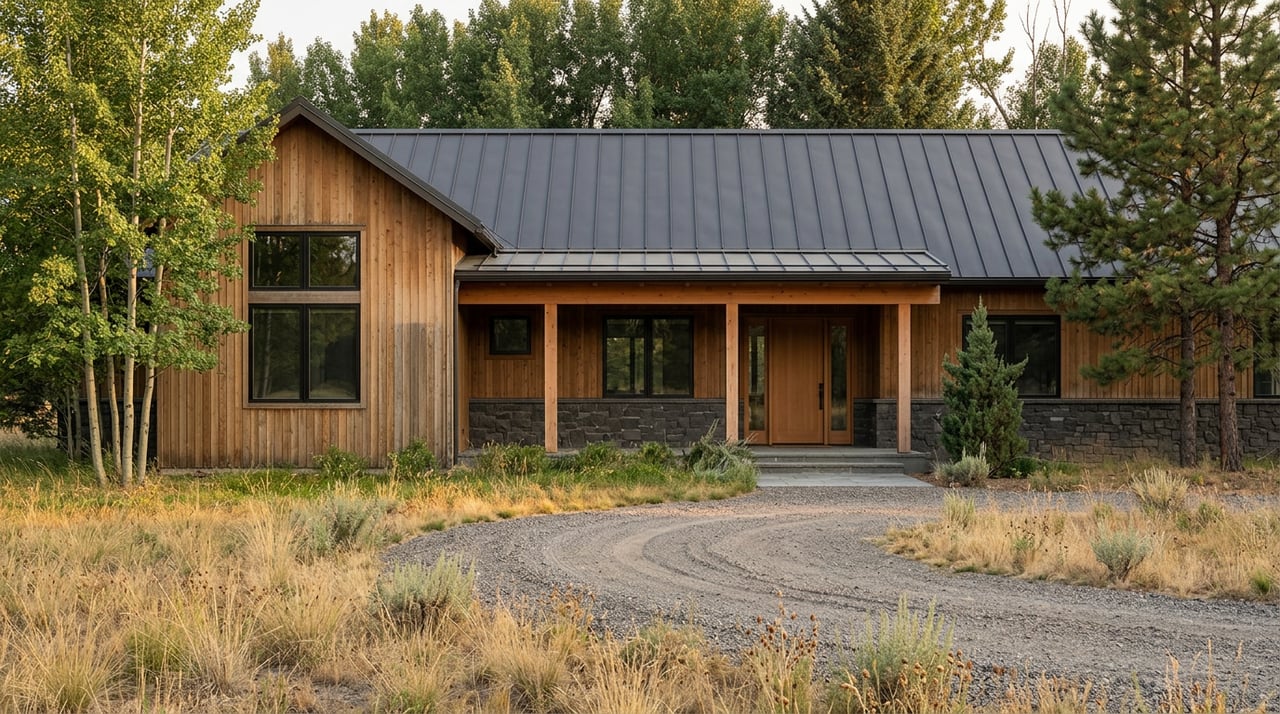
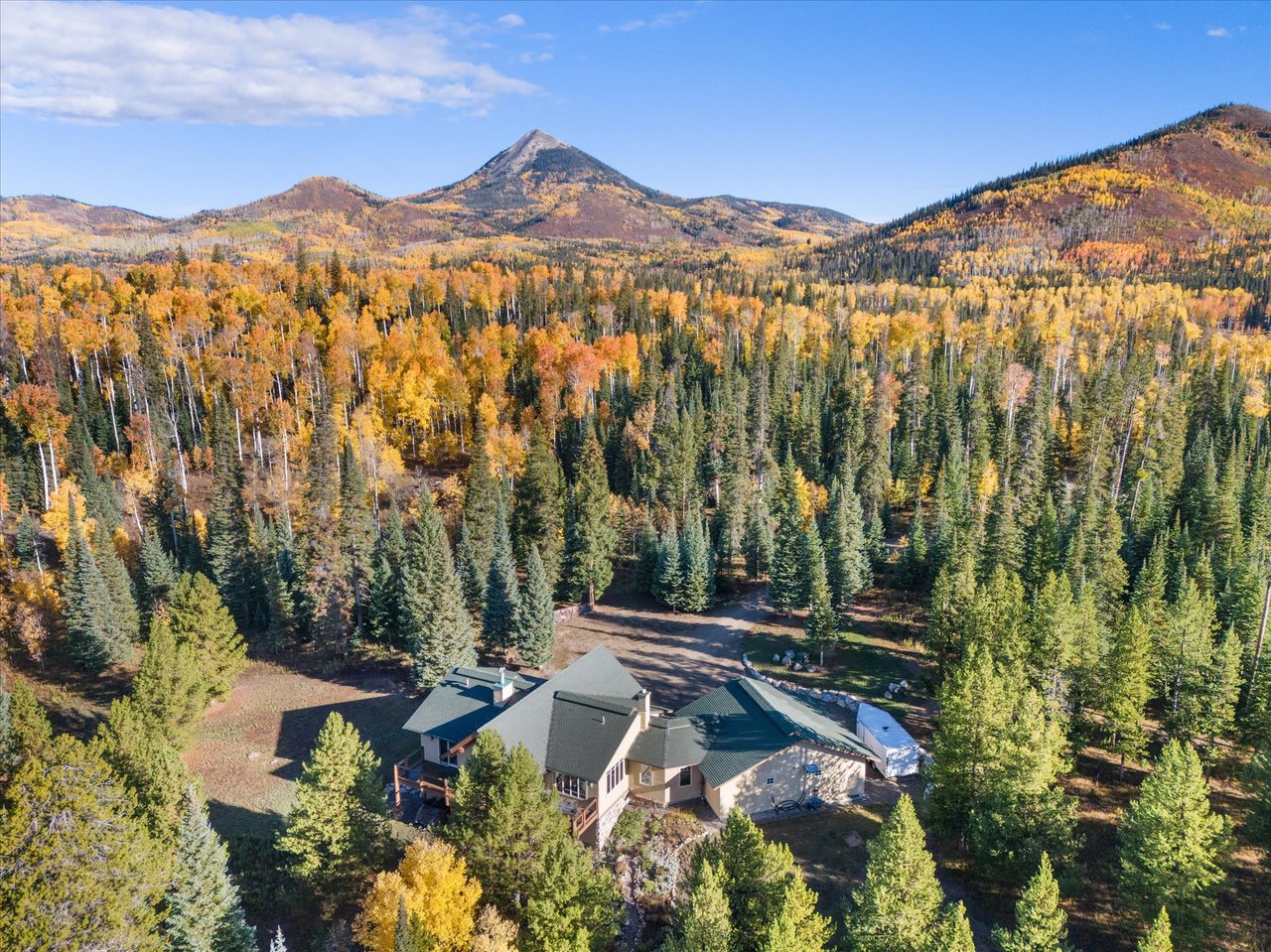
More space in West Steamboat does not always mean the same thing. For some buyers, it means a larger lot in an established neighborhood. For others, it means a small-acreage parcel where the lifestyle feels less in-town and more rural.
That range is part of what makes the area attractive. It can work for a local buyer who wants a little more breathing room, or for a second-home buyer who wants privacy and a different pace while still keeping Steamboat access in reach.
Established West-Side Neighborhoods
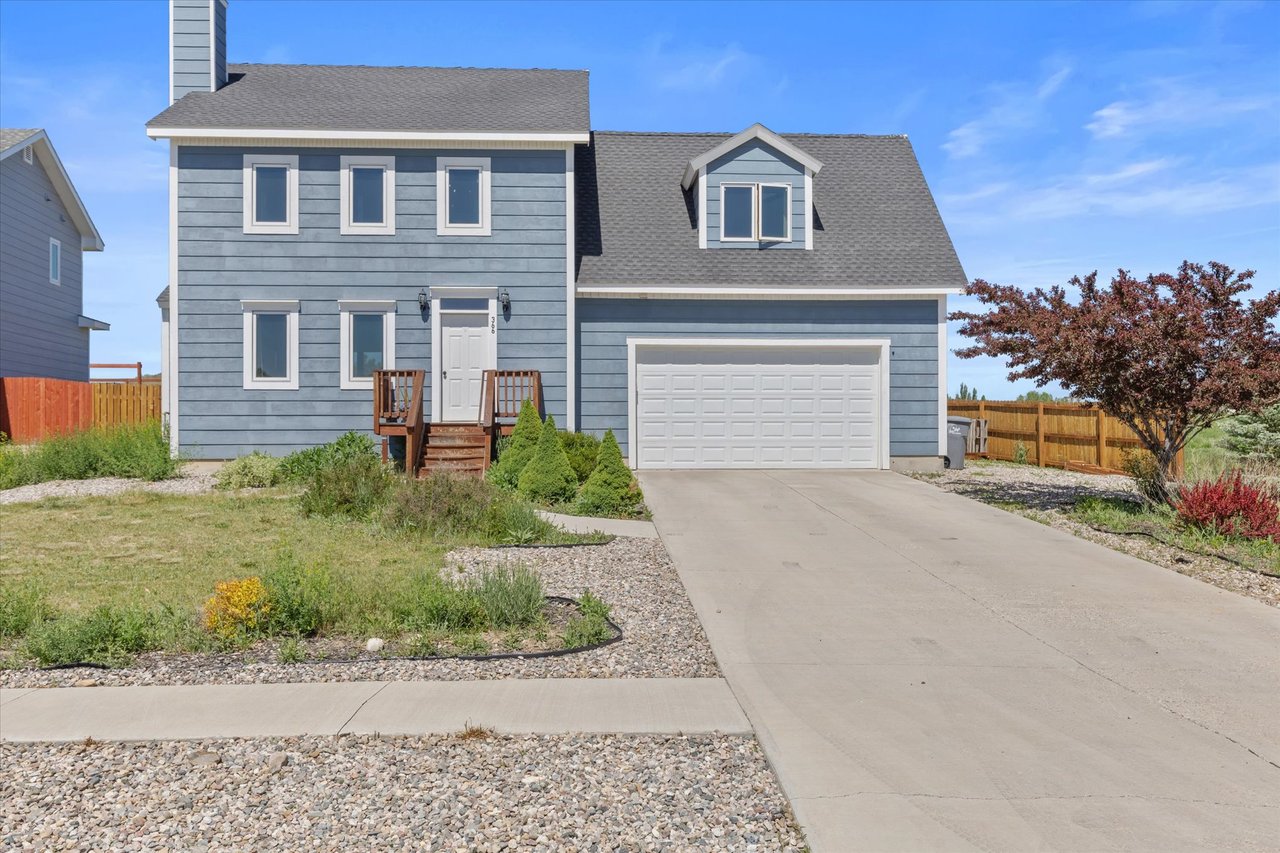
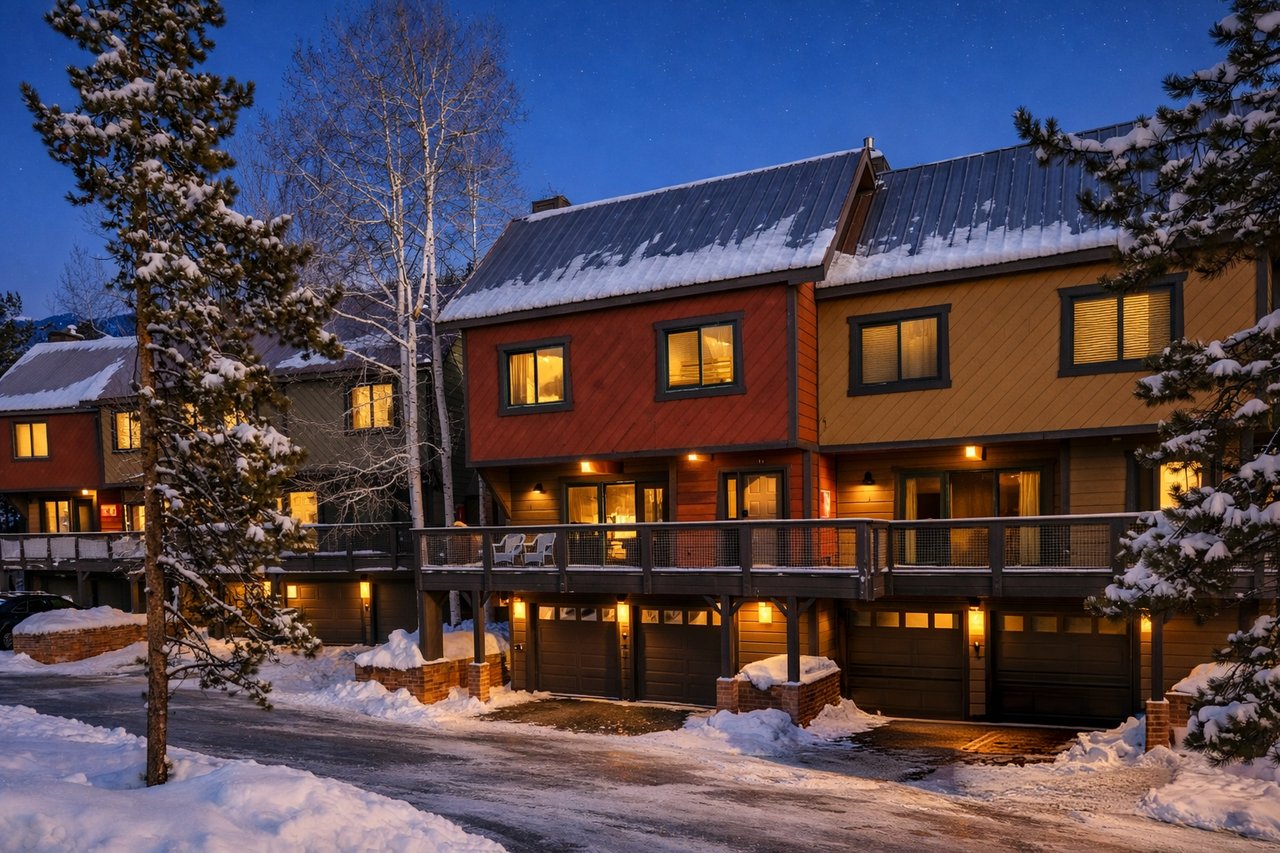
West Steamboat includes a mix of older and newer housing areas. Local neighborhood descriptions identify places like Steamboat II as largely dating from the mid-1970s through the 1980s, Heritage Park from the late 1990s through the 2000s, and Silver Spur and West End Village from the early 2000s to the present.
You will also see a range of home styles, including ranch, split-level, craftsman, and other single-family forms. In practical terms, that means your options may include mature neighborhood patterns, newer construction pockets, or homes with a different level of lot size and design consistency depending on the section of the corridor.
Beyond Town Parcels
As you move farther beyond the more city-oriented west side, the experience can change quickly. A property may offer more land and a stronger sense of separation, but it may also come with more owner responsibility and more parcel-specific due diligence.
This is where buyers often need to slow down and look beyond the headline features. A home with more acreage may feel ideal at first glance, but the details around access, utilities, snow removal, and building allowances often shape the long-term fit.
City Access Still Matters
One reason West Steamboat appeals to so many buyers is that extra space does not have to mean giving up connection to the rest of Steamboat Springs. The city’s free transit system serves Steamboat Springs year-round, linking west Steamboat with downtown and the mountain.
That access matters if you want a little more room but still value an easy connection to everyday life in town. It also supports the broader west-end lifestyle, which includes amenities like Bear River Park, the Community Center, and access to the city’s larger recreation network.
Trails, Parks, and Connectivity
Steamboat’s park system includes 29 park sites totaling more than 1,000 acres. The Yampa River Core Trail is a seven-mile non-motorized route that runs from Dougherty Road through downtown to Bear River Park. For many buyers, those connections make the west side feel practical as well as scenic.
The city is also continuing to invest in west-side connectivity. The West Steamboat Trail project is planned to improve neighborhood connections west of Snow Bowl Plaza, including a route under US 40. In the city’s 2024 community survey, residents also showed strong support for Highway 40 improvements in West Steamboat.
The Biggest Differences Are Often Hidden
If you are comparing properties in West Steamboat and beyond, the biggest differences are not always visible in listing photos. In this part of Routt County, utilities and road service can vary a lot from one property to the next.
That is why a property search here should go beyond square footage and lot size. You want to understand how the home functions in every season, and what that means for your day-to-day ownership experience.
Utilities: City Service vs. On-Site Systems
City-served properties rely on Steamboat Springs Utilities for water distribution and sewer collection. The city states that plant investment fees, also called tap fees, must be paid before building permit approval, and city utilities handle inspections of water and sewer lines and meter assemblies.
The city also currently lists Stage 2 drought restrictions. These include a mandatory watering schedule and limits such as no vehicle washing at homes and no use of treated water for dust control. If landscaping or irrigation matters to you, those rules are worth understanding early.
Outside city service, the setup can be very different. Routt County Environmental Health handles permitting for on-site wastewater treatment systems, and it tests public water supplies and privately owned wells for coliform bacteria. As of January 1, 2025, the county states that OWTS installers and cleaners or inspectors must be registered with the county to work on those systems.
Road Access and Winter Maintenance
Road service is one of the most important lifestyle questions for buyers who want more space. Routt County says it plows and maintains about 160 miles of paved roads and 500 miles of gravel roads in winter, but it does not maintain state highways, streets in incorporated towns, or private roads.
The county also notes that some roads receive minimum or no winter maintenance and may be closed during winter months. Some remote or limited roads may be seasonally inaccessible or not plowed in winter. Homeowners are still responsible for their own driveways and parking areas.
That means winter access should never be treated as a small detail. If you are looking farther west for more land or privacy, road maintenance can be one of the biggest factors in how the property actually lives.
Outbuildings and Guest Space Need Verification
A lot of buyers looking for more space have a clear wish list. Maybe you want a detached garage, a workshop, a barn, a studio, or guest space. In West Steamboat and beyond, the key issue is not just whether there is physical room. It is whether the parcel actually allows what you have in mind.
In unincorporated Routt County, accessory uses and structures must be subordinate to a principal use, located on the same lot or parcel unless a recorded combination agreement applies, and built only in conjunction with an active primary use. Accessory structures must also comply with the Routt County Building Code, meet setback requirements, and follow the standards of the applicable zone district.
Routt County notes that unincorporated parcels fall into one of 14 zone districts, each with its own minimum lot area, frontage, setback, and height standards. So if you are evaluating a property for a shop, barn, or secondary structure, lot size alone does not answer the question.
ADUs and the Local Conversation
Accessory dwelling units are also part of the local discussion. In the 2024 city survey, 85% of respondents supported incentives for construction of accessory dwelling units for long-term rental. That does not change parcel-level rules, but it does show that secondary-unit housing remains part of the broader policy conversation.
For buyers, the takeaway is simple: ask what is allowed on that specific property, under that specific jurisdiction, before assuming future flexibility. This is especially important in the west corridor, where the city-to-county transition can affect permitting and utility options.
How to Think About the Tradeoffs
West Steamboat works well for buyers who want a little more room without giving up Steamboat access. But the farther you move from compact in-town infrastructure, the more the ownership picture becomes property-specific.
That tradeoff is not a negative by itself. It just means your due diligence matters more. A well-matched property can be a great fit, but the right fit depends on how you balance space, convenience, maintenance, and future plans.
A Smart Buyer Checklist
If you are exploring West Steamboat and beyond, these are some of the most useful questions to ask early:
- Is the property served by city water and sewer, or by well and on-site wastewater systems?
- What road serves the property, and who maintains it in winter?
- Does the road receive full winter maintenance, limited maintenance, or none?
- Are there drought-related watering limits or other utility restrictions that affect the property?
- What zoning district applies to the parcel?
- If you want a detached garage, shop, barn, studio, or guest space, is it allowed under current rules?
- Are setbacks, height limits, or frontage requirements likely to affect future plans?
- Does the property’s location support the level of access and convenience you want year-round?
These questions may not be the flashy part of the search, but they are often what separates a good showing from a smart purchase.
Why Local Guidance Matters
In a market like Steamboat, lifestyle and logistics go hand in hand. The west side can offer a compelling mix of breathing room, neighborhood variety, and access to town, but small details can have a big impact on how a property fits your goals.
That is where local, process-driven guidance matters. When you understand the city-to-county transition, utility differences, road service realities, and parcel-specific rules, you can make a decision with more confidence and fewer surprises.
If you are weighing West Steamboat against properties farther out in Routt County, a guided comparison can help you focus on what matters most for your lifestyle now and over time. If you are ready to explore your options, The Boyd & Berend Group can help you navigate the details and schedule a consultation.
FAQs
What does “more space” mean in West Steamboat?
- In West Steamboat, more space can mean anything from a larger lot in an established neighborhood to a small-acreage parcel with a more rural Routt County feel.
How is West Steamboat different from areas farther west in Routt County?
- West Steamboat sits in a city-to-county transition area, so properties may shift from city-served neighborhoods to parcels with different road, utility, zoning, and maintenance considerations.
What utility questions should buyers ask about West Steamboat properties?
- You should ask whether the property is on city water and sewer or uses a well and on-site wastewater system, since that can affect permitting, maintenance, and future plans.
What road access issues matter for properties beyond West Steamboat?
- In areas beyond West Steamboat, winter road maintenance is a major factor because some county roads receive limited or no winter service and private roads are not maintained by the county.
Can you build a shop or guest space on a property in Routt County?
- In unincorporated Routt County, that depends on the parcel’s zoning, setbacks, applicable standards, and whether the accessory structure is allowed with the property’s primary use.
Why do buyers choose West Steamboat instead of staying closer to downtown?
- Many buyers choose West Steamboat because it can offer more room while still providing access to city transit, parks, trails, and the broader Steamboat amenity network.