Wondering why one Steamboat mountain condo feels like a dream fit while another, just a few buildings away, creates daily friction? In the Mountain Area, your choice is about much more than finishes and square footage. If you want a condo that works for how you actually ski, live, visit, or possibly rent, the details matter. Let’s dive in.
Understand the Mountain Area First
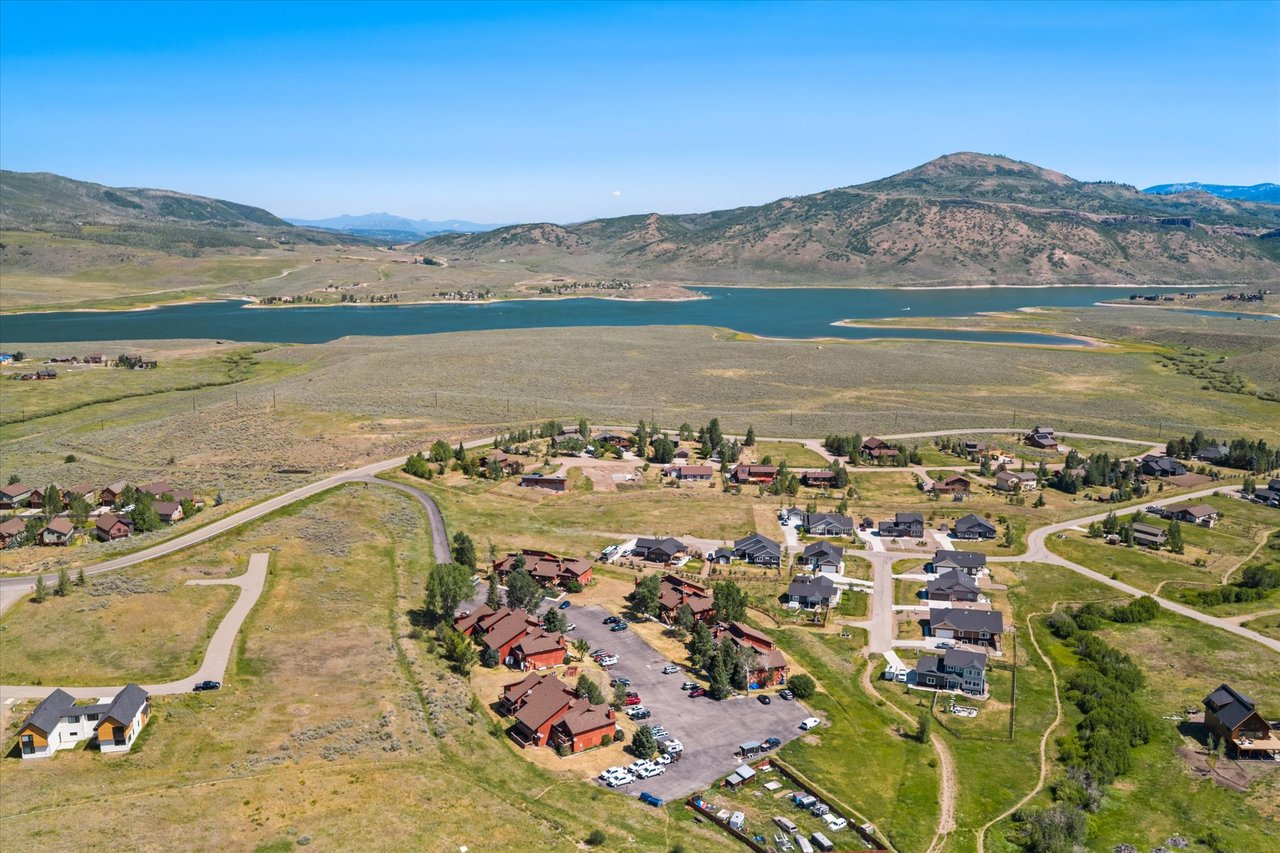
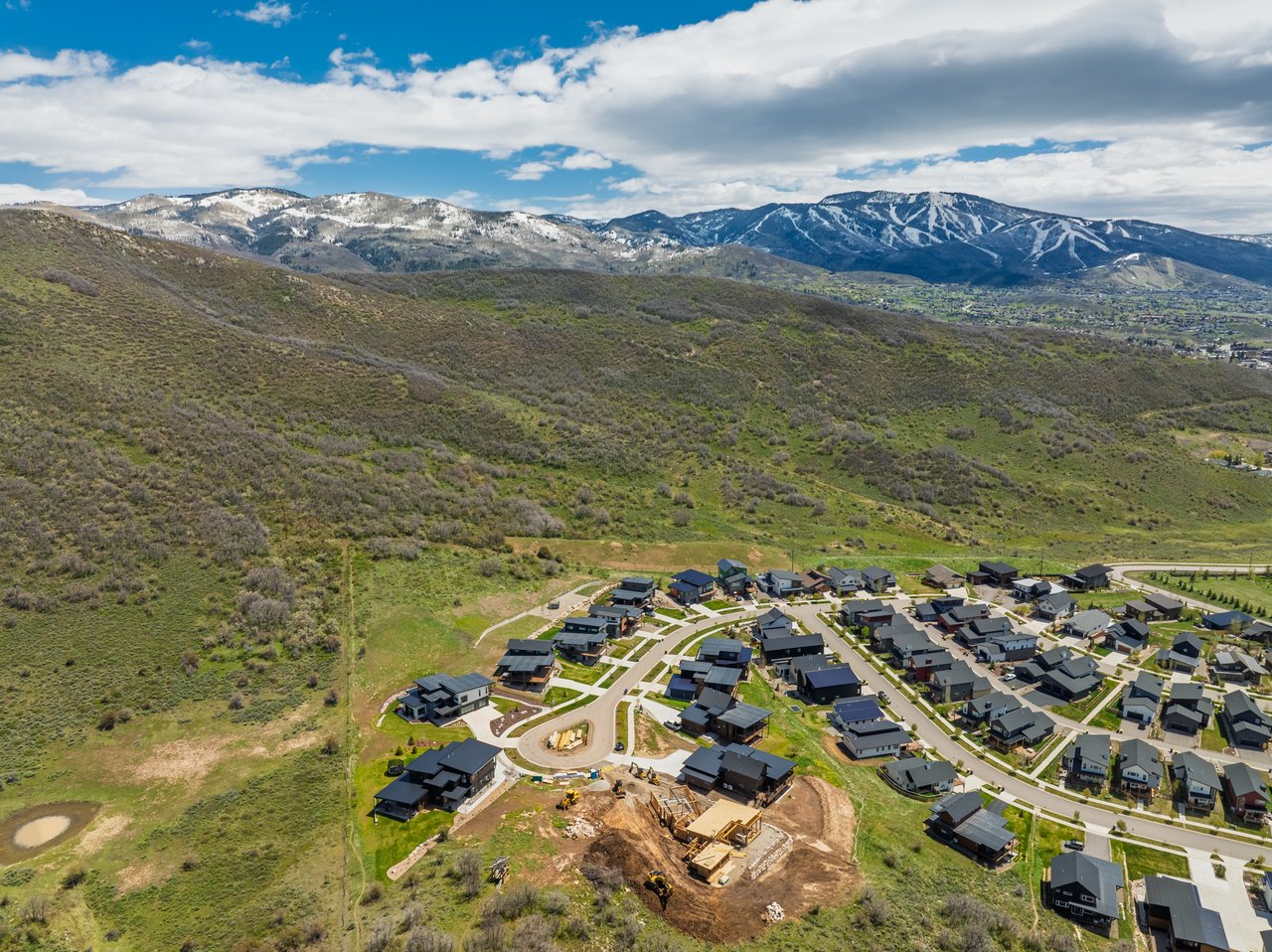
Steamboat’s Mountain Area is the resort-side district centered around Steamboat Resort’s base area at 2305 Mt. Werner Circle, about three miles southeast of downtown Steamboat Springs. According to the City of Steamboat Springs Mountain Area Master Plan, this area blends recreation, housing, hospitality, commerce, and transportation access.
That matters because buying here is different from buying in Old Town or farther west. In the Mountain Area, condo value is often tied to ski access, walkability, transit connections, and how the building operates day to day. You are not just choosing a unit. You are choosing a location within a resort-focused system.
Start With Your Main Goal
Before you compare listings, get clear on what you want the condo to do for you. A property that works well for a second-home retreat may not be the best fit for full-time living or potential short-term rental use.
Ask yourself a few simple questions first:
- Do you want the shortest possible walk to a lift?
- Will you use the condo mostly on weekends or for longer stays?
- Do you need easy access to downtown as well as the ski area?
- Are you considering rental use, or is this strictly for personal enjoyment?
- Do you want a quieter building experience or a more amenity-rich resort setting?
When your goals are clear, it becomes much easier to narrow the field and avoid paying for features you may not use.
Compare Ski Access Carefully
In the Steamboat Mountain Area, access can shape your whole experience. Steamboat Resort highlights its base area, gondola-connected terrain, and the Sunshine Area and Wild Blue Gondola as central parts of getting around the mountain.
That means “close to the resort” is not always specific enough. One condo may offer an easy walk to a lift or base-area activity, while another may rely more on a shuttle or bus connection. The difference can change your mornings, your gear logistics, and how often you actually use the property.
Ask What “Access” Really Means
When you tour or review a listing, ask practical questions like:
- How far is the walk to the Gondola Transit Center or base area?
- Is the route flat, steep, or weather-exposed?
- Is there a private shuttle, and how often does it run?
- Can you comfortably carry skis or gear from the unit?
- Is the condo closer to the base area, Ski Time Square, or another transit node?
A well-located condo can feel much more convenient in real life than a prettier unit with harder access.
Look At Transit And Daily Convenience
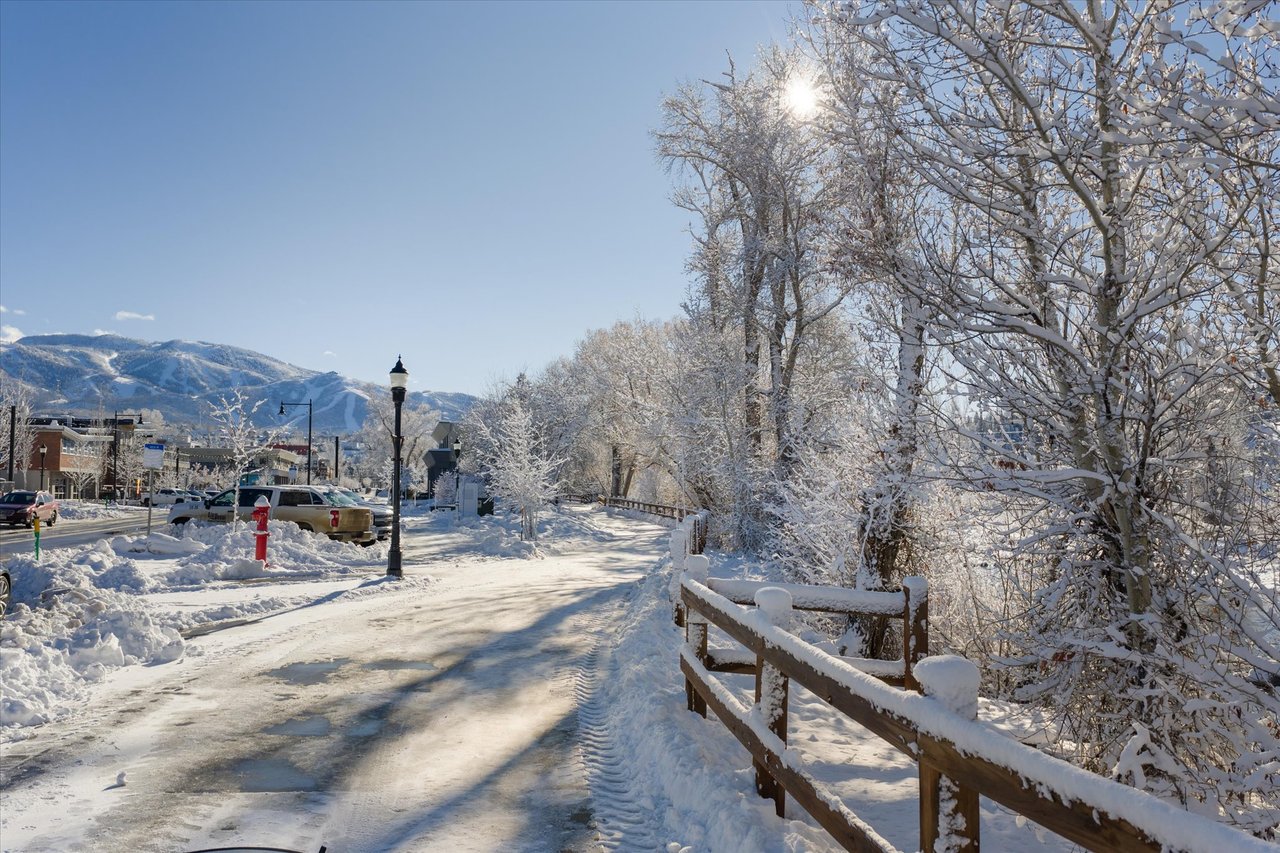
Steamboat Springs Transit operates a free bus system that connects the ski area with downtown and many hotels, condominiums, restaurants, grocery stores, and entertainment areas. In winter, routes serve key condo-related stops such as the Gondola Transit Center and Ski Time Square.
This is a big part of condo life in the Mountain Area. If you do not want to drive every day, access to a bus stop or reliable shuttle can be just as important as being near the slopes. For many buyers, that convenience adds value long after the initial excitement of a remodel or mountain view.
Think Beyond Ski Days
A smart condo choice should work when you are not skiing too. Consider how easy it is to:
- Get downtown without moving your car
- Reach grocery stores and dining options
- Welcome guests who may not want to drive
- Move around during busy winter weekends
- Navigate snow days and peak resort traffic
The most enjoyable condo is often the one that makes your whole stay simpler, not just your first run of the day.
Check Parking, Storage, And Snow Logistics
Parking deserves a close look. Steamboat Resort notes that paid parking and reservations may apply in some situations, while free alternatives include transit and carpooling. There is also a dedicated skier drop-off at the Gondola Transit Center.
For condo buyers, that makes building-level logistics especially important. If your property does not make parking and gear storage easy, small frustrations can add up fast.
Key Parking Questions To Ask
Before you move forward, verify:
- Is parking deeded, assigned, first-come-first-served, or limited?
- Is there guest parking, and are there restrictions?
- Is parking covered, garage-based, or exposed to snow?
- Where do skis, bikes, and seasonal gear go?
- Are there ski lockers or owner storage spaces?
- How is snow removal handled around access points and exterior stairs?
In a mountain market, convenience is often built on these practical details.
Review The HOA Before You Fall In Love
In the Mountain Area, the HOA is a major part of the ownership experience. The Colorado HOA Center advises buyers to review the declaration or CC&Rs, the plat map, the common elements, how assessments are determined, and any owner restrictions. It also notes that visible deferred maintenance can be a warning sign for future special assessments.
This is one of the biggest reasons a good-looking listing may not be the right fit. Two condos with similar interiors can have very different ownership costs and risk profiles depending on the association.
Focus On What The HOA Actually Covers
Make sure you understand:
- What the HOA fee includes
- What costs are billed separately
- Whether reserves are funded adequately
- Whether a reserve study exists
- Whether special assessments are being discussed
- Whether there is any litigation or financial strain
Also ask who is responsible for major systems and shared elements such as roofs, decks, elevators, hot tubs, and exterior snow maintenance. Those answers can affect both monthly cost and long-term value.
Watch For Building Fit
Not every resort condo building works equally well for every owner. Some properties feel better suited to occasional stays, while others function more comfortably for longer visits or full-time living.
Ask whether the building is quiet, practical, and well-run for the way you plan to use it. Elevator access, sound transfer, owner storage, entry flow, and winter maintenance all matter more than buyers sometimes expect.
Compare Amenities With A Practical Eye
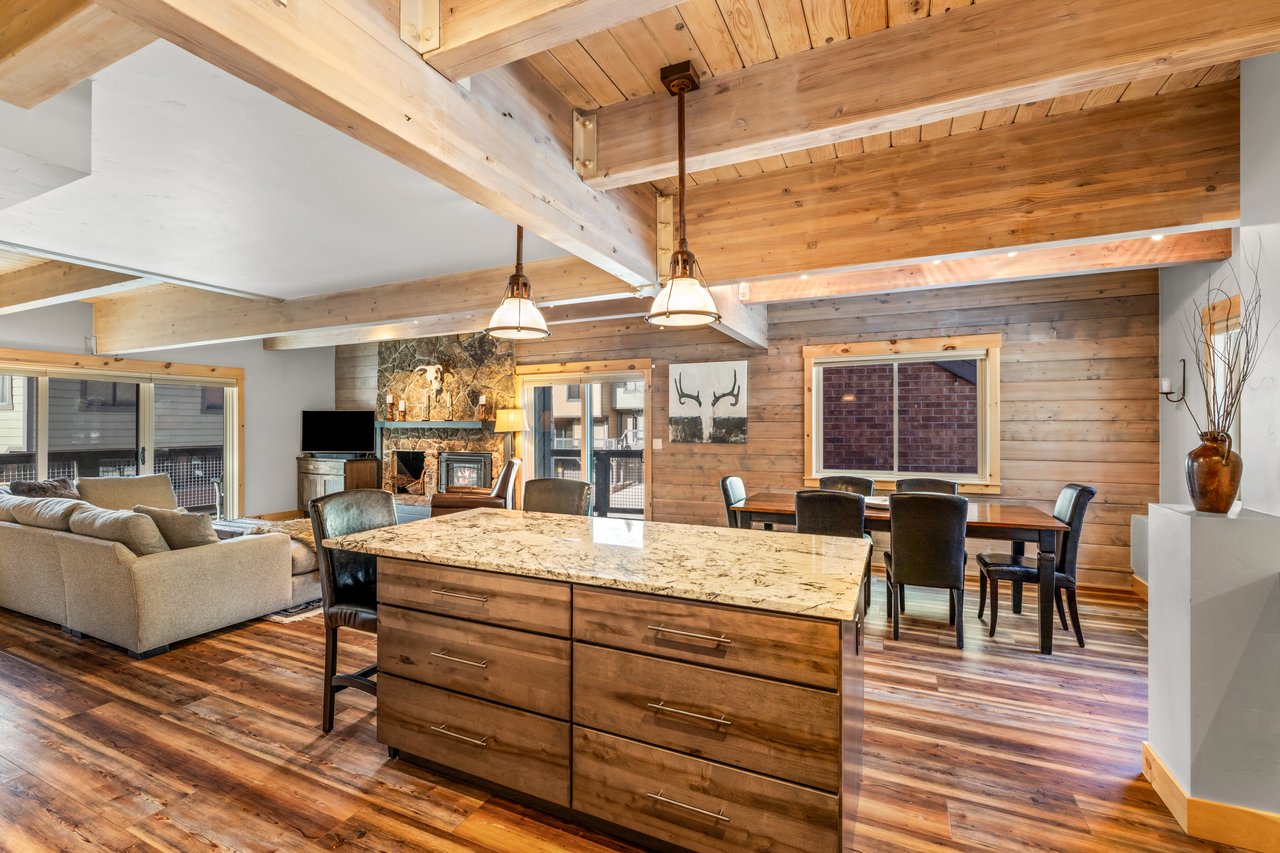
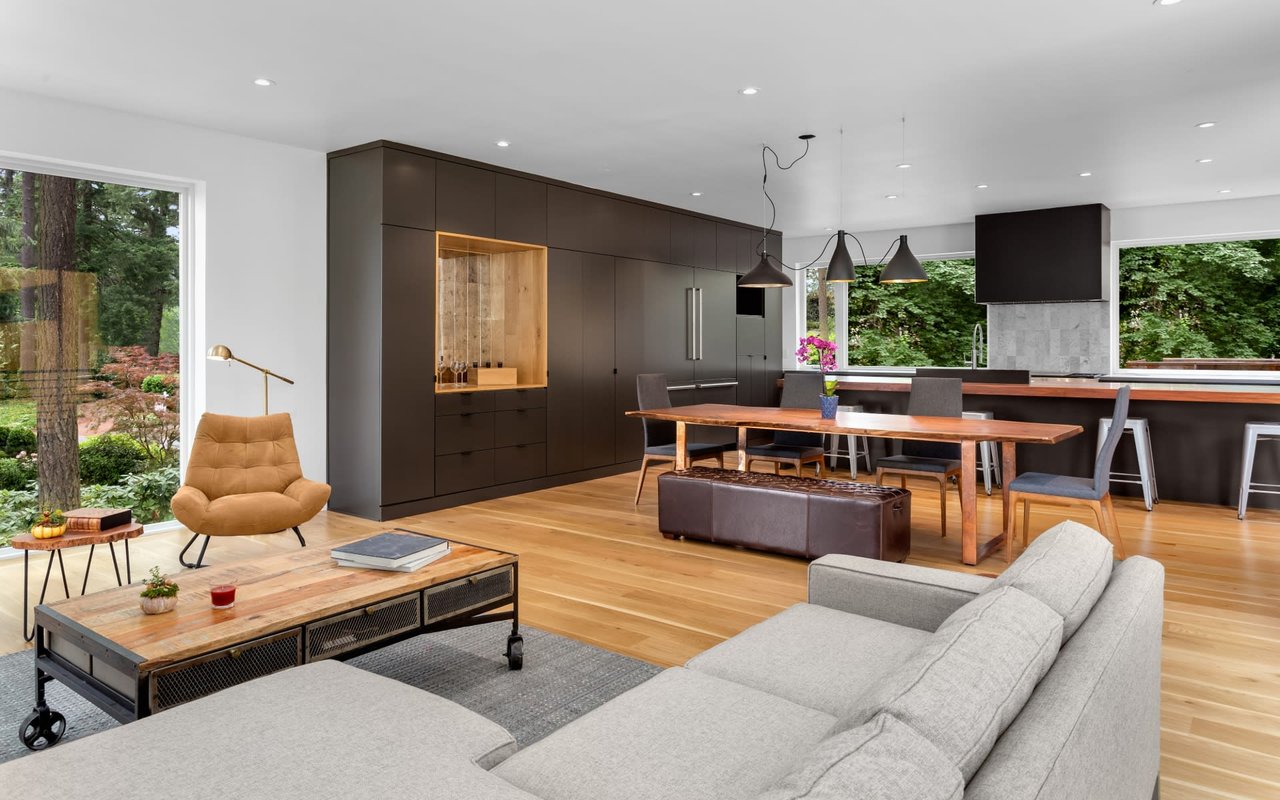
Amenity packages vary widely across Mountain Area condos. Even resort examples in the area show how different one building can feel from another, with features such as full kitchens, gas fireplaces, balconies or patios, elevators, hot tubs, ski storage, and Wi-Fi.
Amenities can add comfort, but they also shape your monthly dues and the building’s maintenance burden. A larger amenity package is not automatically better. The better question is whether you will use what you are paying for.
Choose Amenities You Will Actually Use
Useful amenities might include:
- Elevator access
- Hot tubs or shared gathering spaces
- Ski lockers or dedicated storage
- Private decks or balconies
- Shuttle service
- Covered parking
If you are mostly coming for short ski weekends, your priorities may be different from someone planning longer summer and winter stays. Match the amenity package to your actual lifestyle.
Verify Rental Use Before You Assume Anything
If rental income is part of your thinking, this step is critical. The City of Steamboat Springs states that it is unlawful to advertise, offer, provide, or operate a short-term rental without first obtaining a license, and there is no grandfather clause. The city also states that STR licenses do not transfer with the sale of a property.
In other words, you cannot assume a condo is rentable just because a prior owner rented it or because the building is in the Mountain Area. Rental eligibility must be verified for the specific property.
Check City Rules And Building Rules
The city’s licensing system depends on parcel-specific zoning, and some subzones have caps and lotteries. The city also requires compliance with operating rules, including a designated local responsible party, parking compliance, and a parking-and-snow-storage plan during licensing.
On top of that, HOA rules may be more restrictive than city regulations. So if rental use matters to you, confirm all three layers:
- City licensing and zoning status
- HOA rental rules
- Building or management operating structure
That three-part check helps you avoid buying a condo that does not match your plan.
Use A Smart Comparison Framework
When buyers shop Mountain Area condos online, it is easy to focus on price per square foot and photos. In this submarket, those are only part of the story. A better approach is to compare each property across the factors that shape everyday use and long-term ownership.
Here is a simple way to evaluate options:
| Factor | What to Compare |
|---|---|
| Ski access | Walk to lift, shuttle, transit stop, route difficulty |
| Daily convenience | Bus access, downtown connection, base-area proximity |
| HOA strength | Fees, reserves, maintenance, assessments, restrictions |
| Building function | Elevator, noise, storage, snow removal, owner usability |
| Parking | Assigned spaces, guest parking, garage access, snow exposure |
| Amenities | Hot tub, ski lockers, deck, shuttle, shared spaces |
| Rental potential | City licensing status, zoning, HOA rules, operating requirements |
This kind of side-by-side review usually tells you far more than photos ever will.
Why Local Guidance Matters
The Steamboat Mountain Area is one of the most nuanced condo markets in the Yampa Valley. Small differences in access, HOA structure, parking, and rental rules can have a major impact on how satisfied you feel after closing.
That is why a guided process matters here. The right strategy helps you look beyond the listing presentation and focus on fit, risk, and long-term usability.
If you are weighing condos near the resort and want clear, local guidance on access, HOA review, and building-by-building differences, The Boyd & Berend Group can help you compare your options with confidence. Schedule a consultation.
FAQs
What makes a Steamboat Mountain Area condo different from an in-town condo?
- A Mountain Area condo is typically more tied to resort access, transit convenience, HOA operations, and short-term-rental rules than an in-town property.
How important is transit when choosing a Steamboat Mountain Area condo?
- Transit can be very important because Steamboat Springs Transit connects the ski area with downtown and many condo locations, which can reduce the need to drive and park.
What HOA details should you review before buying a Steamboat mountain condo?
- You should review what the HOA fee covers, reserve funding, any special assessment discussions, maintenance responsibilities, owner restrictions, and signs of deferred maintenance.
Can you use any Steamboat Mountain Area condo as a short-term rental?
- No. Short-term rental use depends on city licensing, parcel-specific zoning, and any HOA or building-level restrictions, and licenses do not transfer with a sale.
What should you compare besides price when choosing a Steamboat condo?
- You should compare ski access, shuttle or bus convenience, parking, storage, HOA financial health, amenities, and whether the condo truly fits your intended use.