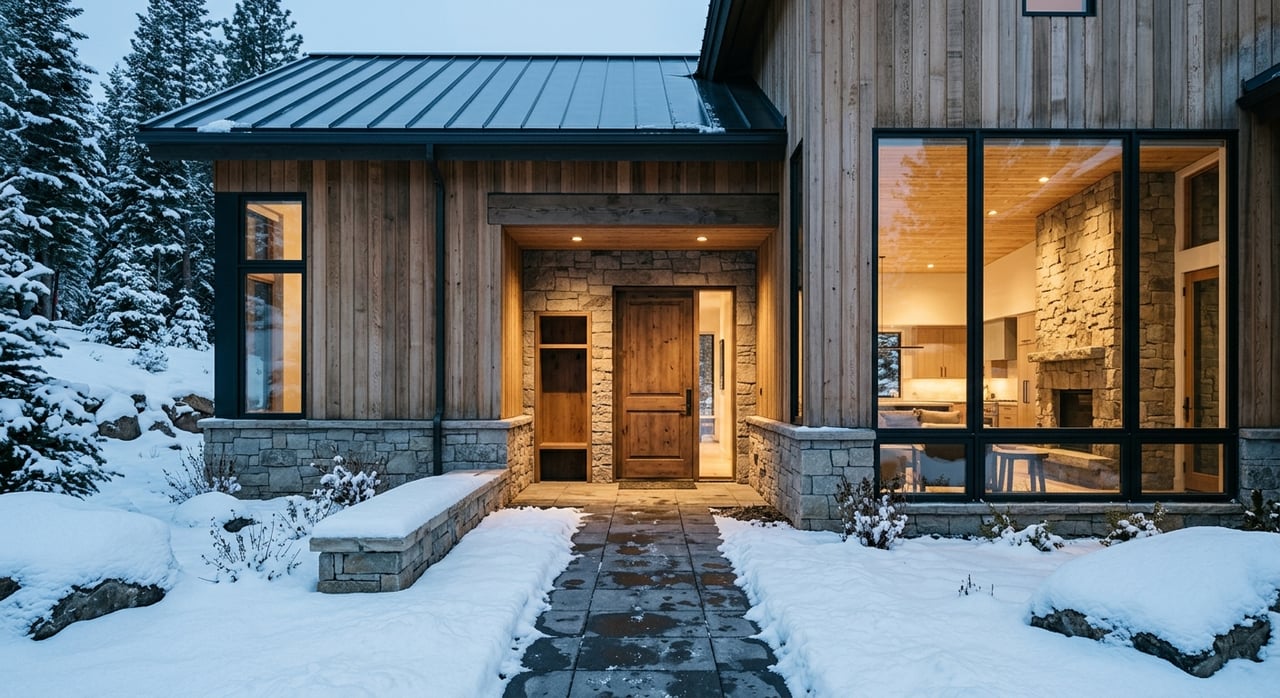
If you picture Steamboat living and immediately think of walking to the lifts, catching a free bus downtown, and trading ski days for trail days when the snow melts, the Mountain Area is probably on your radar. This part of Steamboat appeals to buyers who want daily access to recreation and a true resort-centered routine, but it also comes with its own housing patterns, transit rhythms, and property rules. Here’s what life near the slopes in Steamboat’s Mountain Area really looks like, and what to weigh if you’re thinking about buying there. Let’s dive in.
Why the Mountain Area feels distinct
The Mountain Area is more than a ski base. The City of Steamboat Springs’ Mountain Area Master Plan describes it as a spirited, friendly gathering place where housing, hospitality, activities, and commerce all share the same footprint.
That mixed-use setup shapes daily life in a very visible way. You are not just near the resort. You are living in a year-round district built around access, mobility, and an active social atmosphere.
What daily life looks like near the slopes
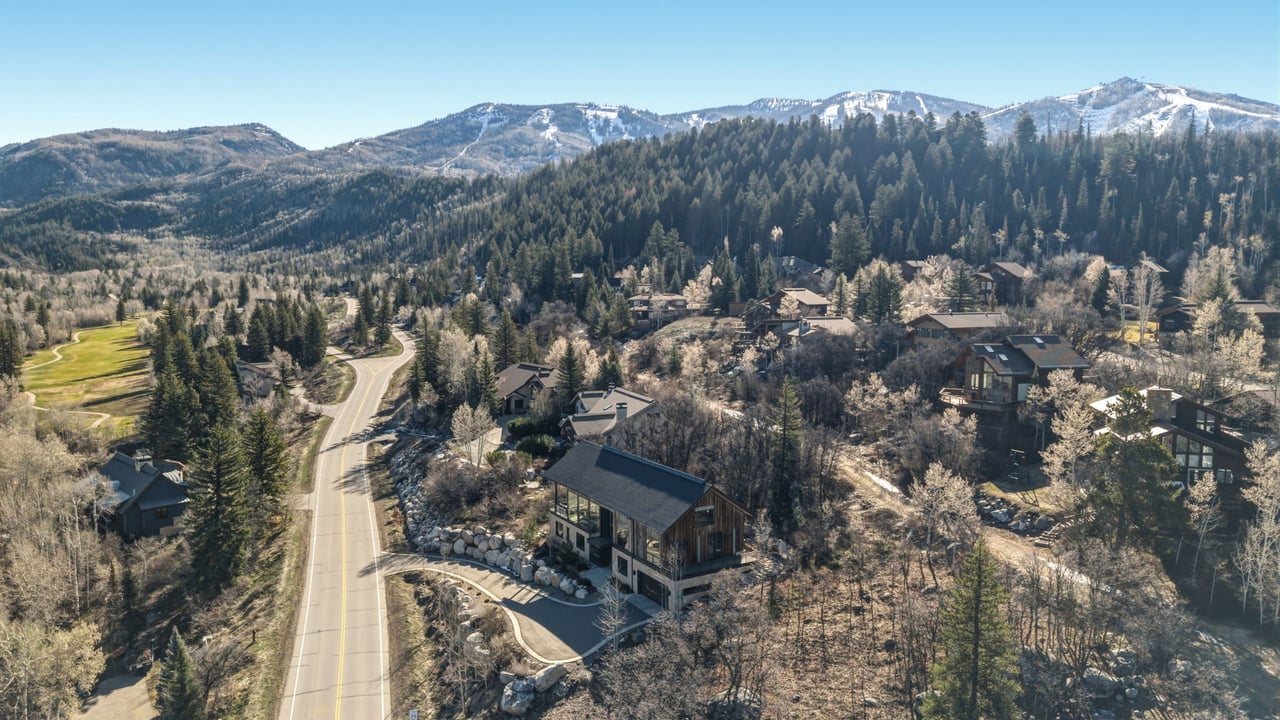
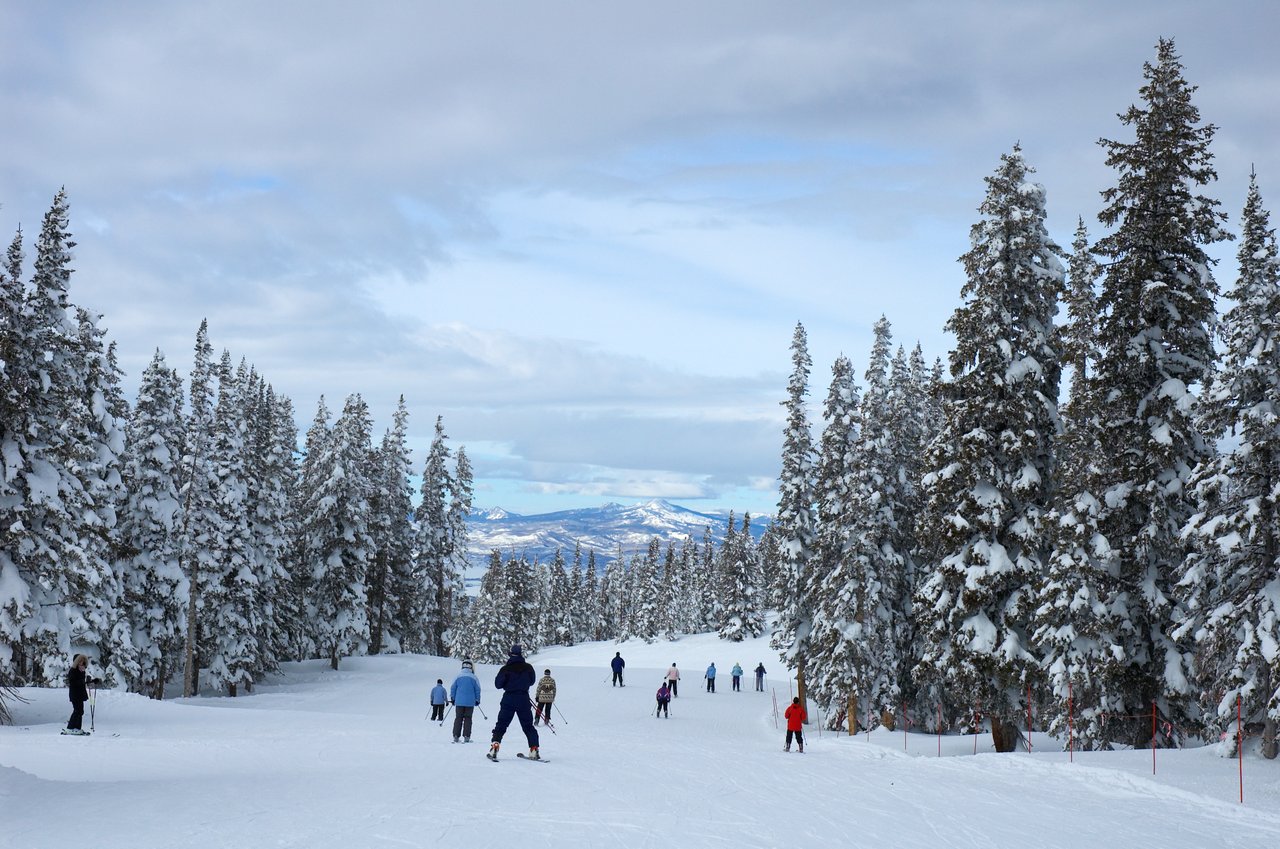
Steamboat Resort is large enough to influence the pace of the entire area. The resort lists 3,741 acres, 182 trails, 23 lifts, a base elevation of 6,900 feet, a summit of 10,568 feet, and a 10-year average snowfall of 314 inches at mid-mountain.
In winter, that means your routine can revolve around snow conditions, lift access, and getting out early on powder days. In summer, the rhythm shifts to hiking, biking, scenic lift rides, and mountain events, so the neighborhood stays active well beyond ski season.
For many buyers, that year-round payoff is the biggest draw. You are choosing convenience and recreation that stay relevant in every season, not just a winter address.
Housing near the lifts
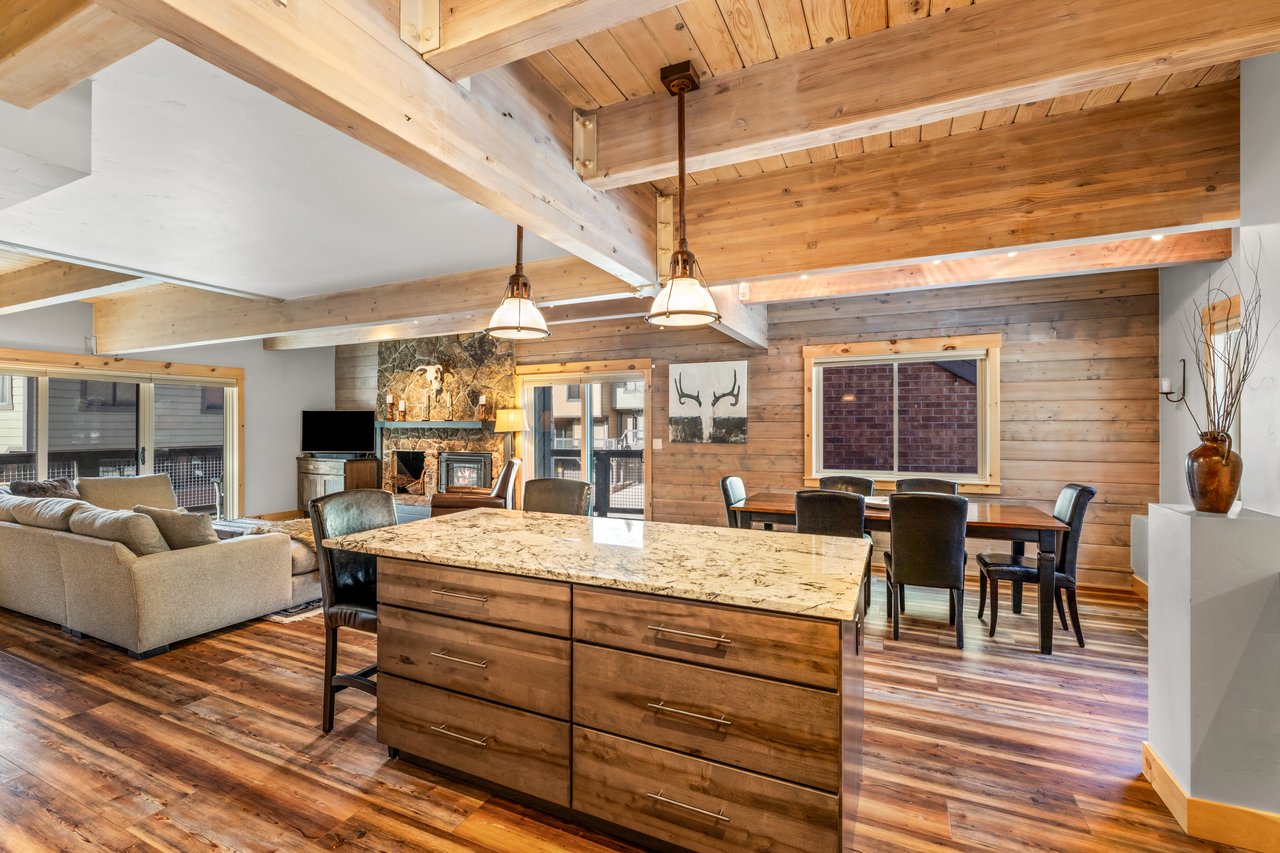
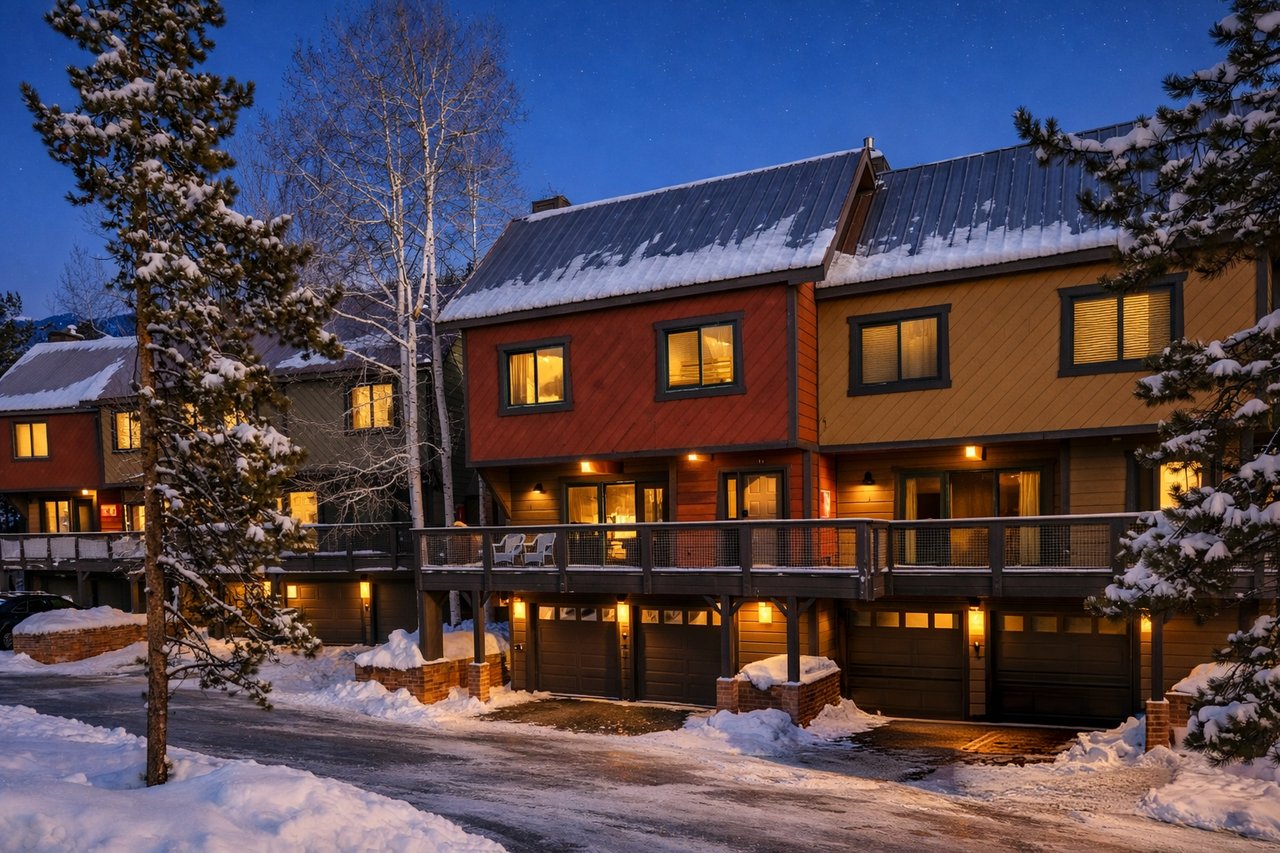
If you want to be closest to the slopes, you will usually find attached housing rather than large detached homes. The housing examples nearest the mountain are mostly condos and townhomes with HOA-managed living and resort-style amenities.
At the base area, The Steamboat Grand offers studios, hotel rooms, one- to four-bedroom condos, and penthouses. Torian Plum offers ski-in/ski-out condominiums in Ski Time Square, while Cornerstone at the Moraine and Aspen Leaf Townhomes show the townhome side of the market within a short walk of the base.
That pattern matters if you are comparing lifestyle fit. Near-slope convenience often means less private outdoor space and more shared amenities, shared systems, and community rules.
What this means for buyers
If you are shopping in the Mountain Area, it helps to think beyond square footage. The real value often comes from proximity to lifts, trails, transit, and the base-area environment.
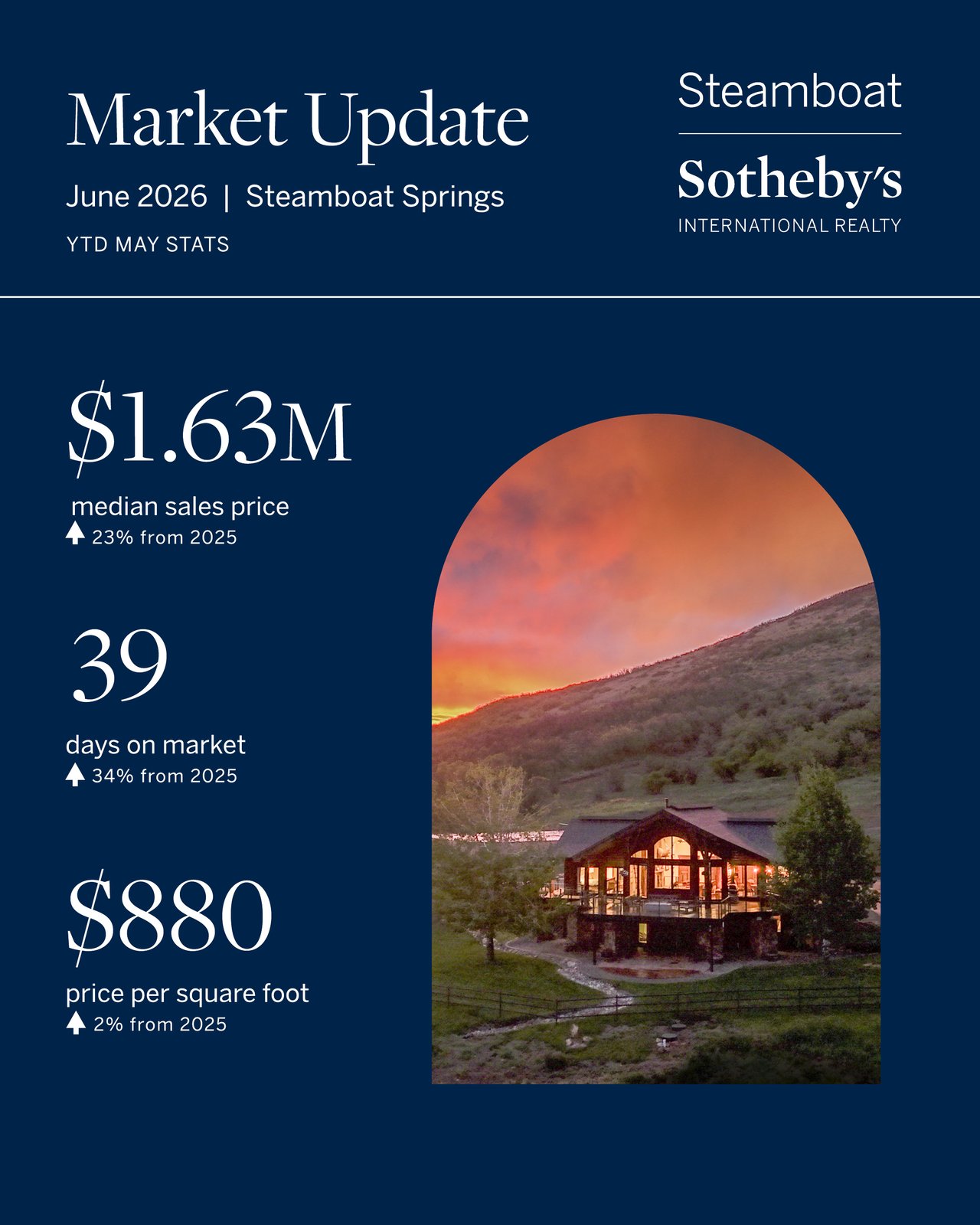
That is especially true in a market where housing carries a premium. In Steamboat Springs, the owner-occupied housing unit rate is 67.2%, the median value of owner-occupied housing units is $981,800, and the median gross rent is $2,017, according to citywide Census data.
The city also identifies housing as one of the community’s most significant challenges. For you, that means mountain-area inventory can be competitive, and it is worth looking closely at HOA structure, monthly costs, rental rules, and how you plan to use the property over time.
Getting around without relying on a car
One of the most practical perks of living near the slopes is that you may not need your car for every trip. Steamboat Springs Transit is a free bus system with more than one million riders a year, and it plays a big role in making the Mountain Area easier to navigate.
In summer, the Main Line connects west Steamboat, downtown, and the mountain with 15-minute daytime service and no transfers required. Buses also have bike racks, which adds flexibility if your day includes a ride, a hike, or a trip across town.
In winter, the city runs a broader route network plus an on-demand Yellow Zone. That can make daily errands, dinners downtown, and ski days simpler, especially when parking or winter road conditions are top of mind.
Transit is a lifestyle feature here
In many neighborhoods, transit is a nice extra. In the Mountain Area, it is part of how people actually live.
You can leave the car parked on a busy powder day, use the bus to get downtown for dinner, or move around more easily during summer events. The city does note that summer traffic and construction can slow some west-end trips, so timing still matters, but the car-light option is very real here.
Summer living is a major benefit
The Mountain Area lifestyle does not go quiet when ski season ends. Steamboat’s trail network and summer programming give this part of town a different kind of energy once the snow is gone.
The city maintains about 55 miles of trails in the Steamboat Springs area. That includes more than 24 miles of non-motorized trails on Emerald Mountain, the 5.2-mile Spring Creek Trail, and the 7-mile Yampa River Core Trail that runs from Dougherty Road through downtown to Bear River Park.
For residents, that creates a warm-weather routine that can include walking, running, biking, and commuting by trail. If you value outdoor access in everyday life, not just on weekends, that is a meaningful advantage.
Music, events, and the social side
The resort also adds to the year-round appeal with summer activities that include hiking, mountain biking, scenic gondola rides, mountaintop dining, and Steamboat Mountain Music in Steamboat Square. The 2026 concert schedule includes five free shows at the base of the resort.
That means live music can feel built into the neighborhood rather than something that requires a cross-town plan. It supports the same mixed-use, social-hub identity the city describes in its master plan.
For a broader arts option, Strings Music Festival presents more than 60 summer performances in town, with more than 60% of programming offered free. For Mountain Area residents, that adds another layer to the local lifestyle without moving far from home.
Who the Mountain Area fits best
This area is usually a strong fit if you want immediate ski access, quick trail access, and a resort-centered routine. It often appeals to second-home buyers, avid skiers and riders, and locals who value convenience and shared amenities over a larger private footprint.
It may be less ideal if your top priorities are a large yard, a detached-home feel, or a simpler ownership structure with fewer layers of rules. The inventory closest to the slopes often comes with HOA oversight and, depending on the property, added short-term rental considerations.
This is where lifestyle and logistics really meet. The right fit depends on how you want to spend your time, how often you plan to be in Steamboat, and whether convenience matters more to you than extra space.
Short-term rental rules matter
If you are considering a second home and thinking about rental potential, do your homework early. The City of Steamboat Springs says it is unlawful to operate a short-term rental without first obtaining a license.
The city also has a Short-Term Rental Overlay Zone with Zone A, Zone B, and Zone C boundaries. Just as important, there is no grandfather clause for licensing, and licenses do not transfer with the sale of a property.
The city also tells owners to follow any HOA rules that are more restrictive than city regulations. In practical terms, that means you should review both city requirements and community documents before making assumptions about how a property can be used.
The core tradeoff to understand
Life near the slopes usually means trading some space and privacy for access, scenery, and daily convenience. For many buyers, that is exactly the point.
You are buying into a part of Steamboat where recreation is close, transit is useful, and the resort area stays active in every season. If that matches the way you want to live, the Mountain Area can offer a very compelling version of Steamboat living.
If you want help comparing ski-area condos, townhomes, or other Steamboat property options, The Boyd & Berend Group can help you evaluate location, lifestyle fit, and the details that matter in a resort-market purchase. Schedule a consultation.
FAQs
What type of homes are most common near the slopes in Steamboat’s Mountain Area?
- The closest inventory to the slopes is typically condos and townhomes, with many properties offering HOA-managed living and shared amenities.
How do people get around Steamboat’s Mountain Area without a car?
- Many residents use Steamboat Springs Transit, a free bus system that connects the mountain, downtown, and west Steamboat, with added winter service options and bike racks in summer.
What is summer like in Steamboat’s Mountain Area?
- Summer includes access to city trails, hiking, biking, scenic gondola rides, mountaintop dining, and free resort-base concerts, so the area stays active beyond ski season.
What should second-home buyers know about short-term rentals in Steamboat Springs?
- The city requires a short-term rental license, licenses do not transfer with a sale, and owners must also follow any HOA rules that are more restrictive than city regulations.
Who is the Mountain Area in Steamboat Springs best suited for?
- It is often best for buyers who want close ski access, easy trail access, and a resort-centered lifestyle, especially if they are comfortable with attached housing and community rules.