If you’re choosing between Silver Spur and Steamboat II, you’re not just comparing two subdivisions. You’re deciding what kind of west-side living fits your day-to-day life best. Both neighborhoods sit in one of Steamboat’s most sought-after in-town submarkets, but they offer different housing stock, neighborhood character, and trail access. Let’s break down the differences so you can narrow your search with more confidence.
West-side living at a glance
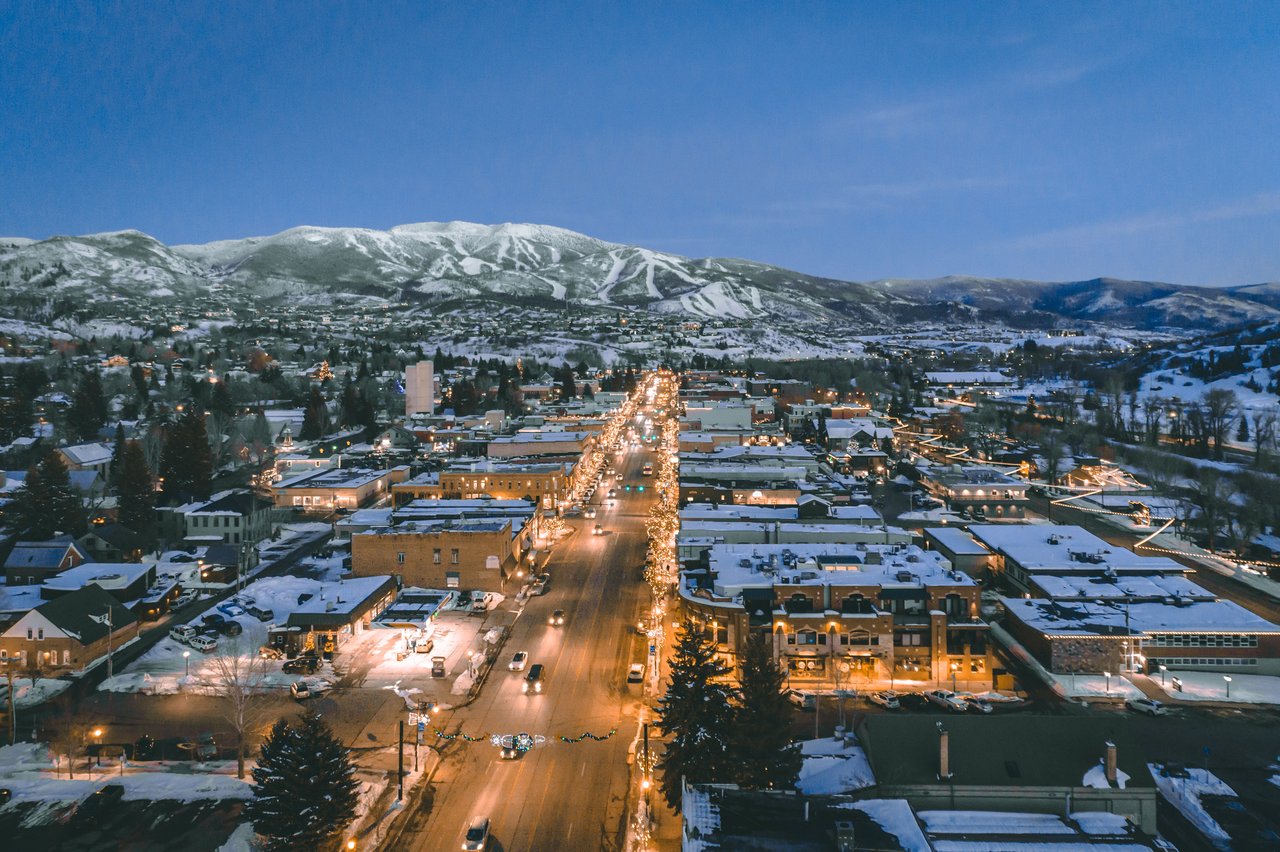
Silver Spur and Steamboat II are the two main neighborhoods buyers tend to compare on Steamboat Springs’ west side. According to the Routt County Assessor, both sit in Economic Area 8, about five miles west of downtown. They stand apart from more rural west-end areas because they are built on smaller lots and use district-based water and sewer service.
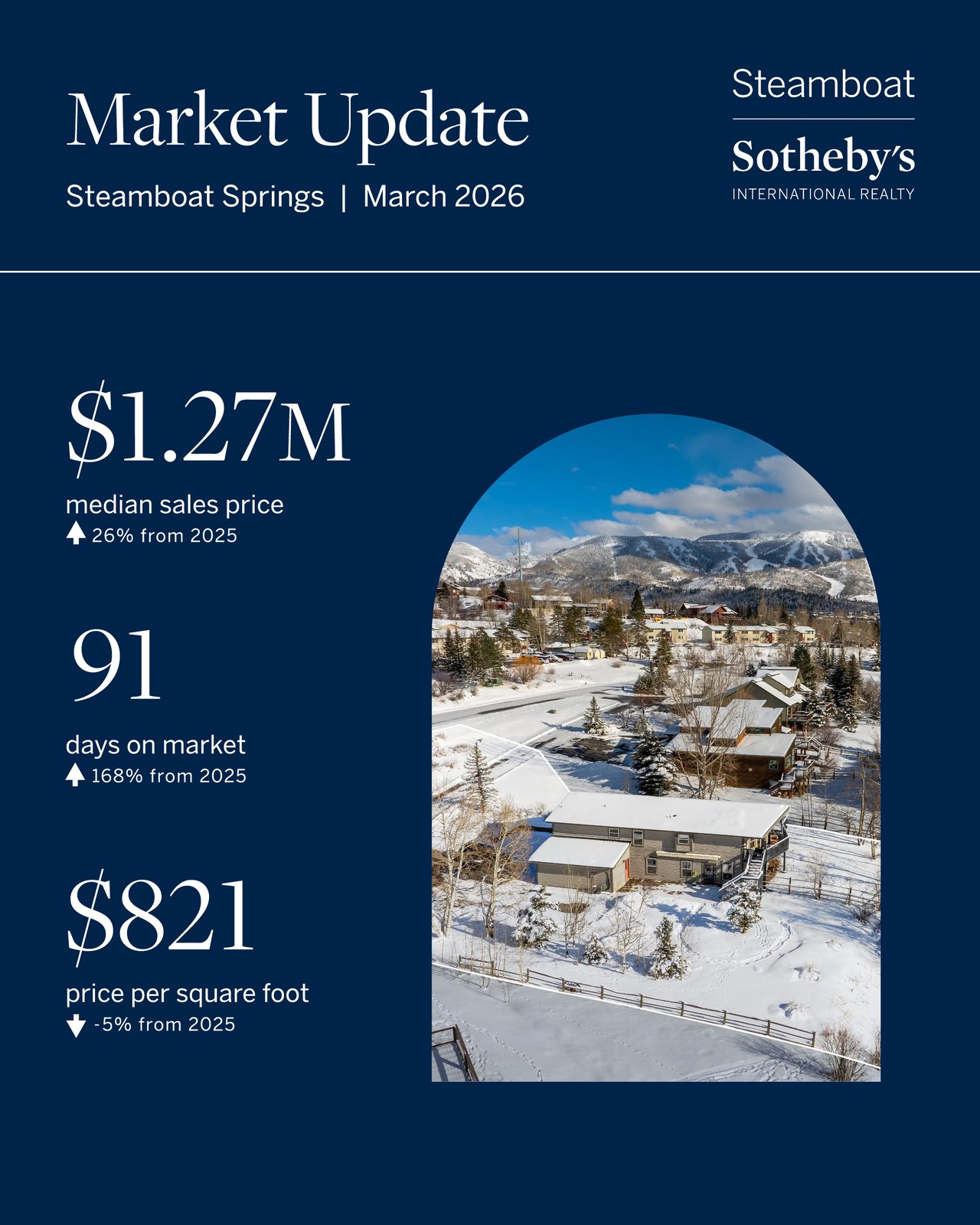
That matters if you want a neighborhood feel that stays close to town without moving into a larger acreage setting. The county describes these west-end neighborhoods as suburban in feel, with home options ranging from modest entry-level properties to very good quality custom homes. In today’s market, that west-side location is not a bargain play. In Q1 2026, West Steamboat posted a median sales price of $1.51 million, compared with $1.17 million for Steamboat Springs overall.
Silver Spur overview
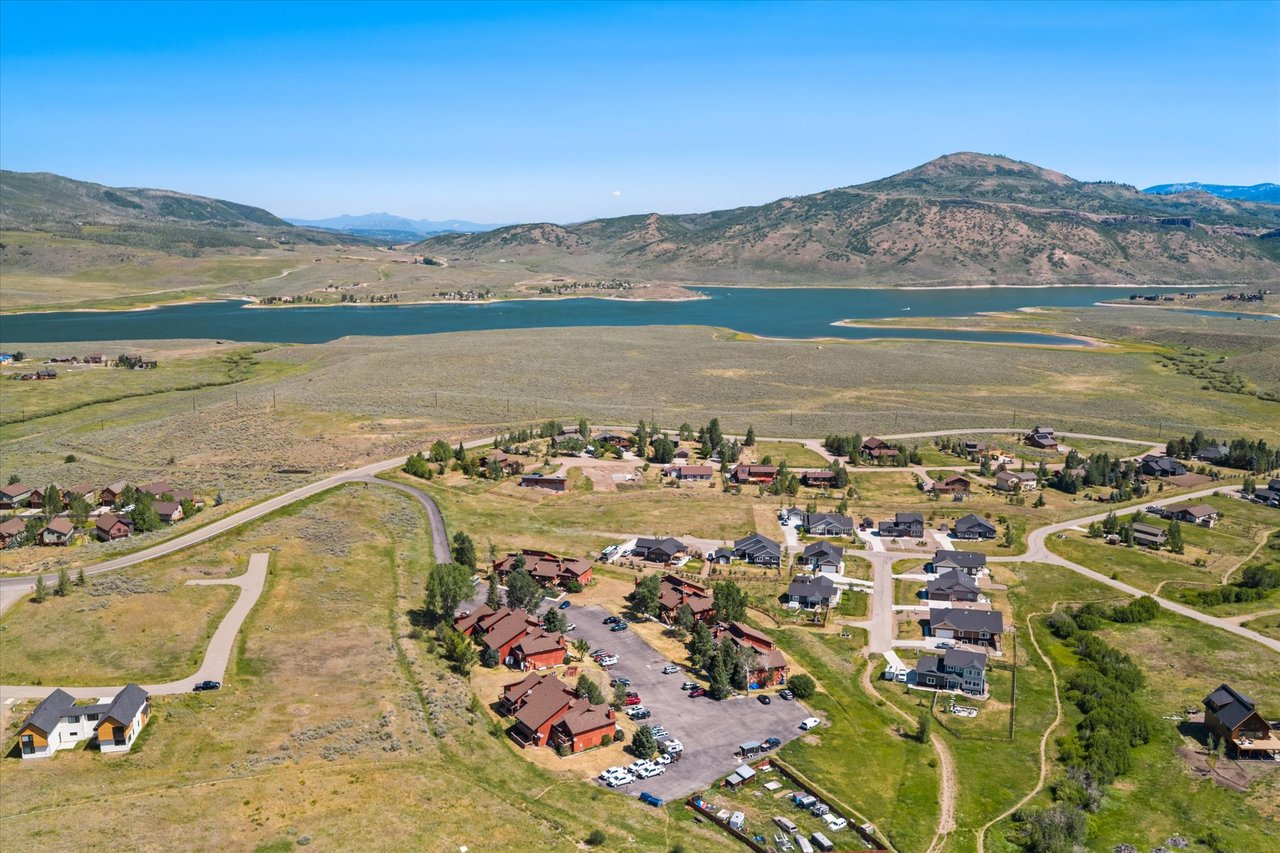
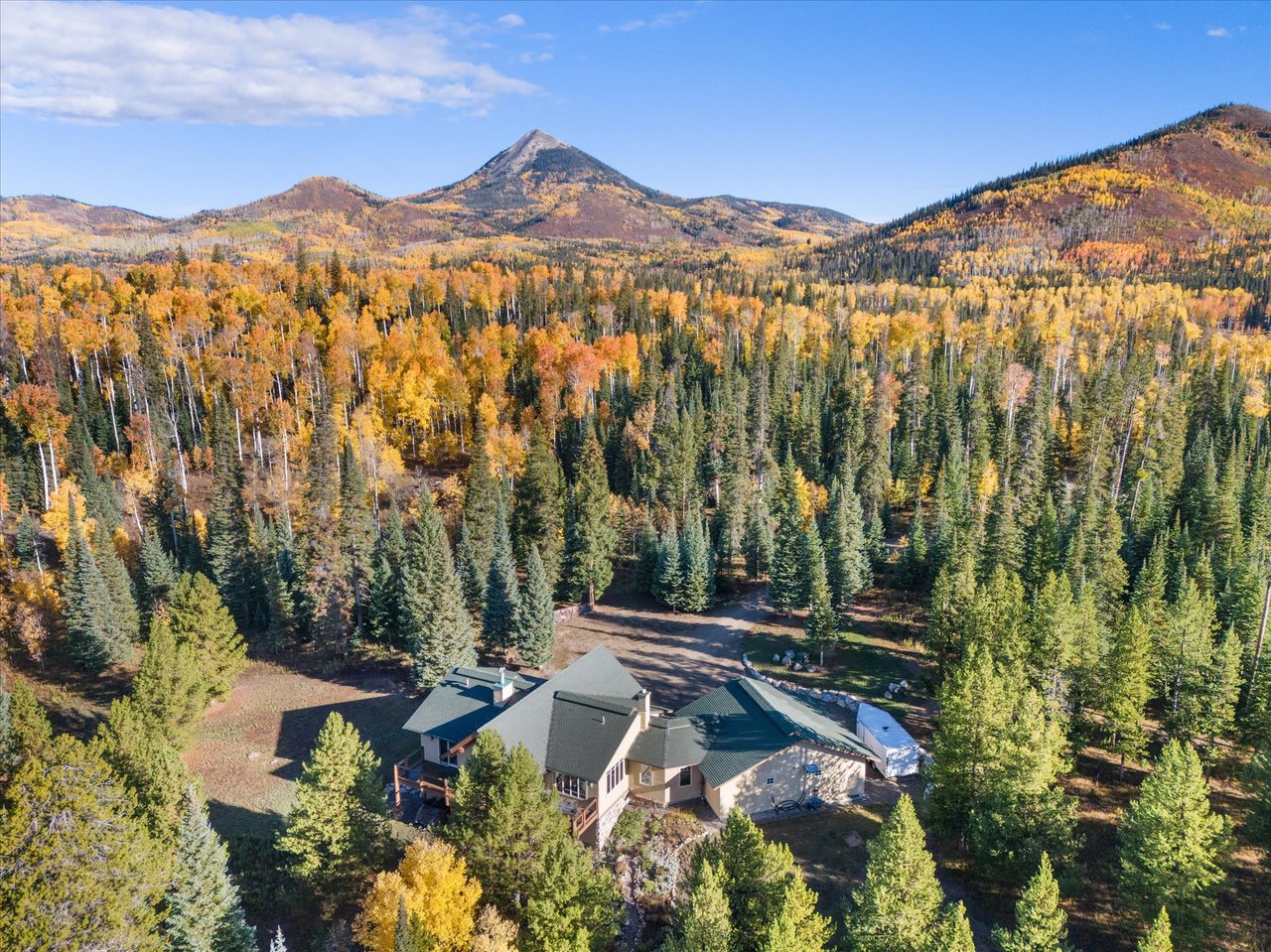
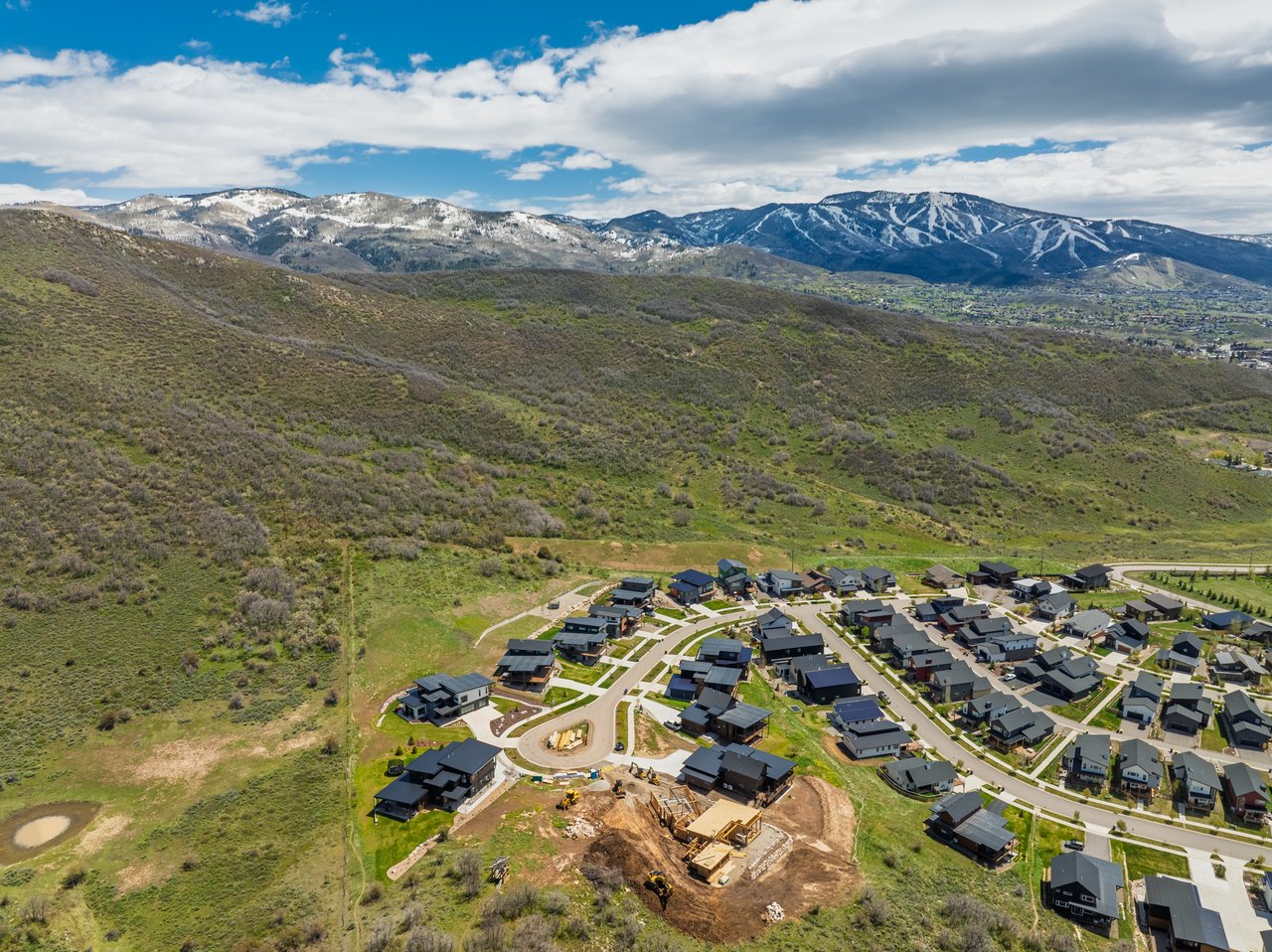
Silver Spur, also known as Silverview Estates, is the newer of the two neighborhoods. Routt County says it was platted in 1996 and developed in 2001, with 129 lots ranging from 0.29 to 0.53 acre. Almost all lots are under half an acre.
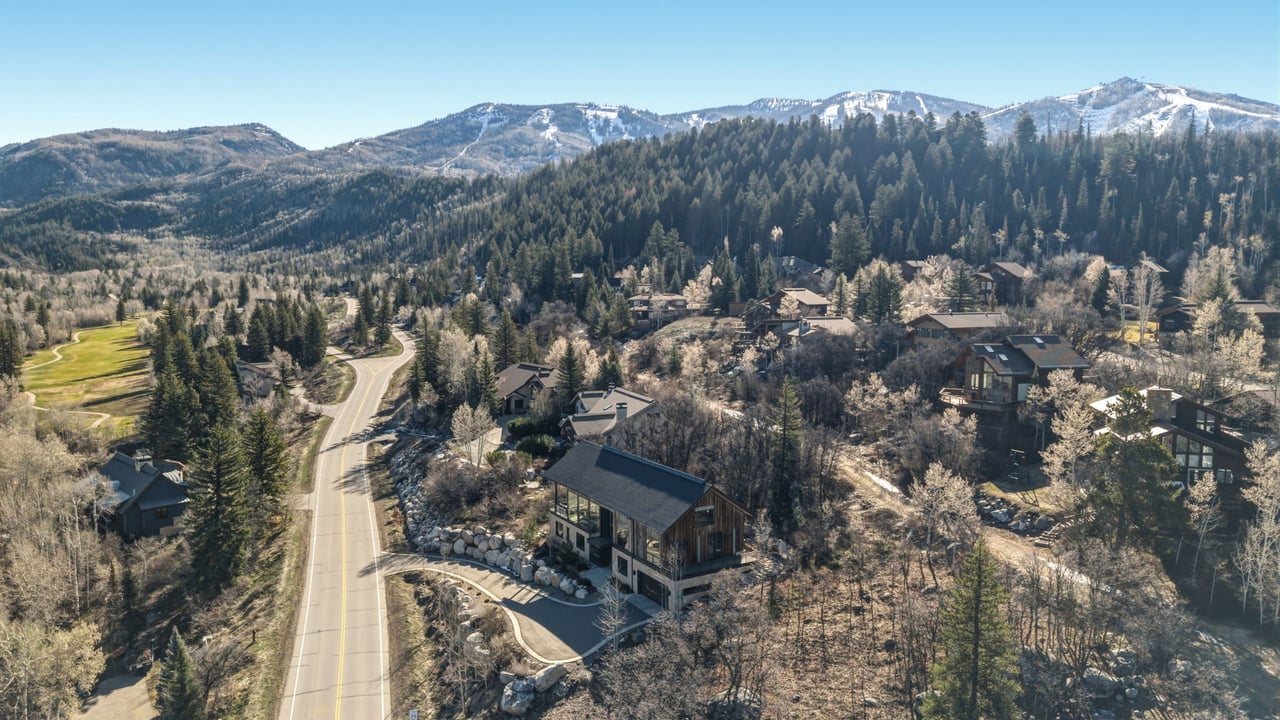
One of Silver Spur’s defining features is how much open space is built into the neighborhood itself. The subdivision includes seven open-space parcels totaling just over 48.43 acres, plus a park, playground, and an extensive trail system that circles the neighborhood. If you want recreation woven into your immediate surroundings, that is a meaningful part of Silver Spur’s appeal.
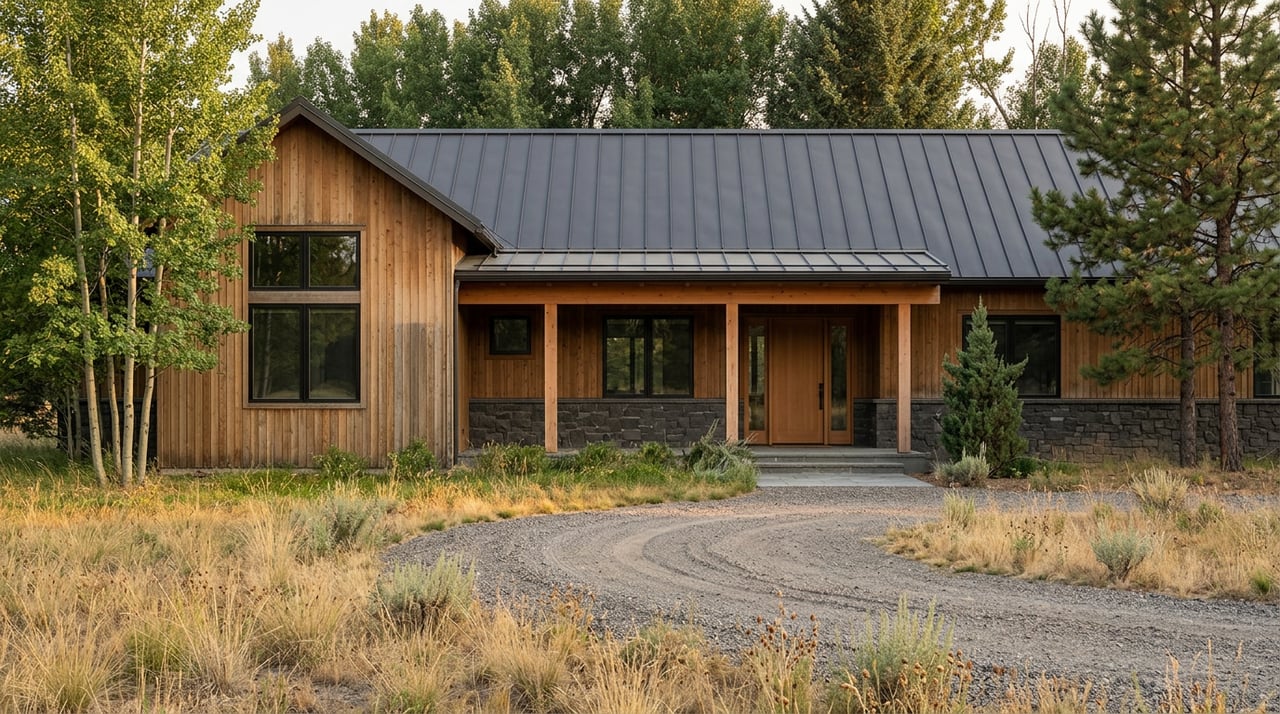
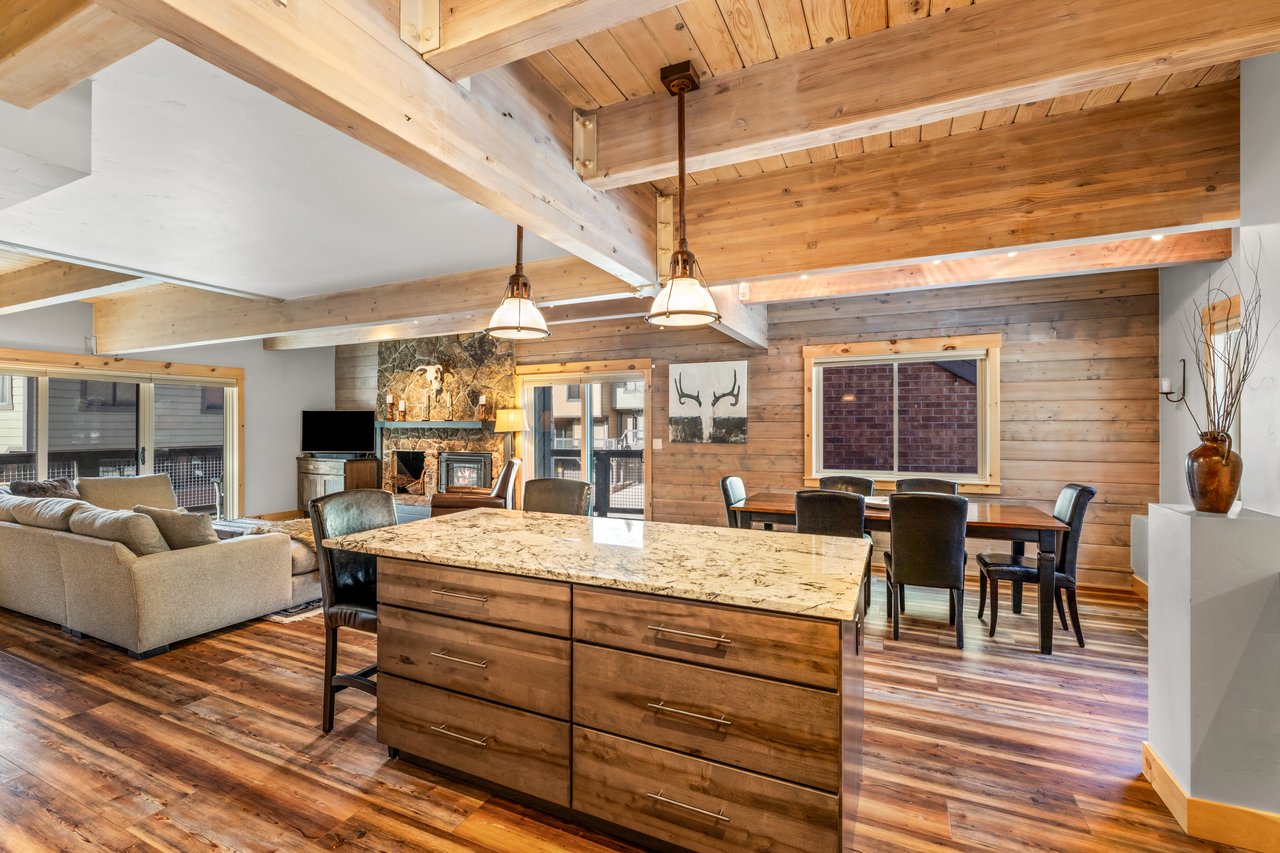
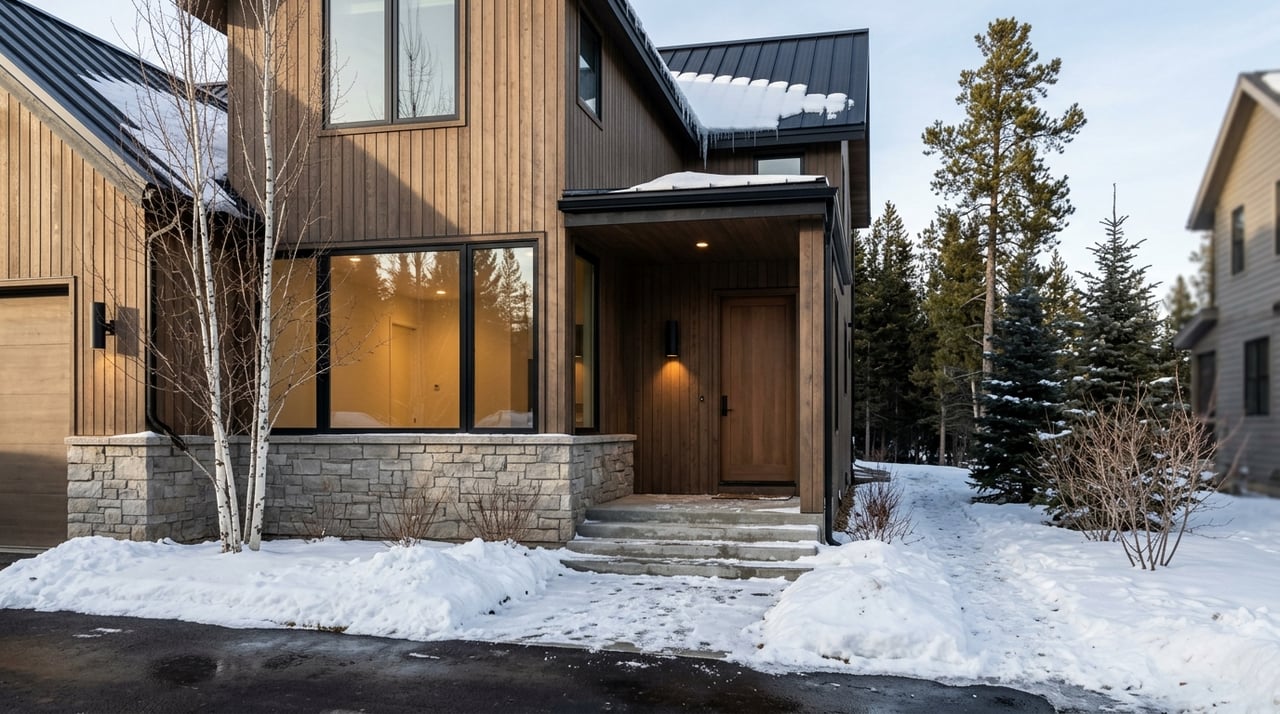
Based on county history and current listing examples, Silver Spur generally reads as newer and more polished. Recent examples point to homes with more contemporary mountain styling, open floor plans, and design choices that feel more current. That does not mean every home is identical, but it does help explain why some buyers see Silver Spur as the more turnkey option.
Steamboat II overview
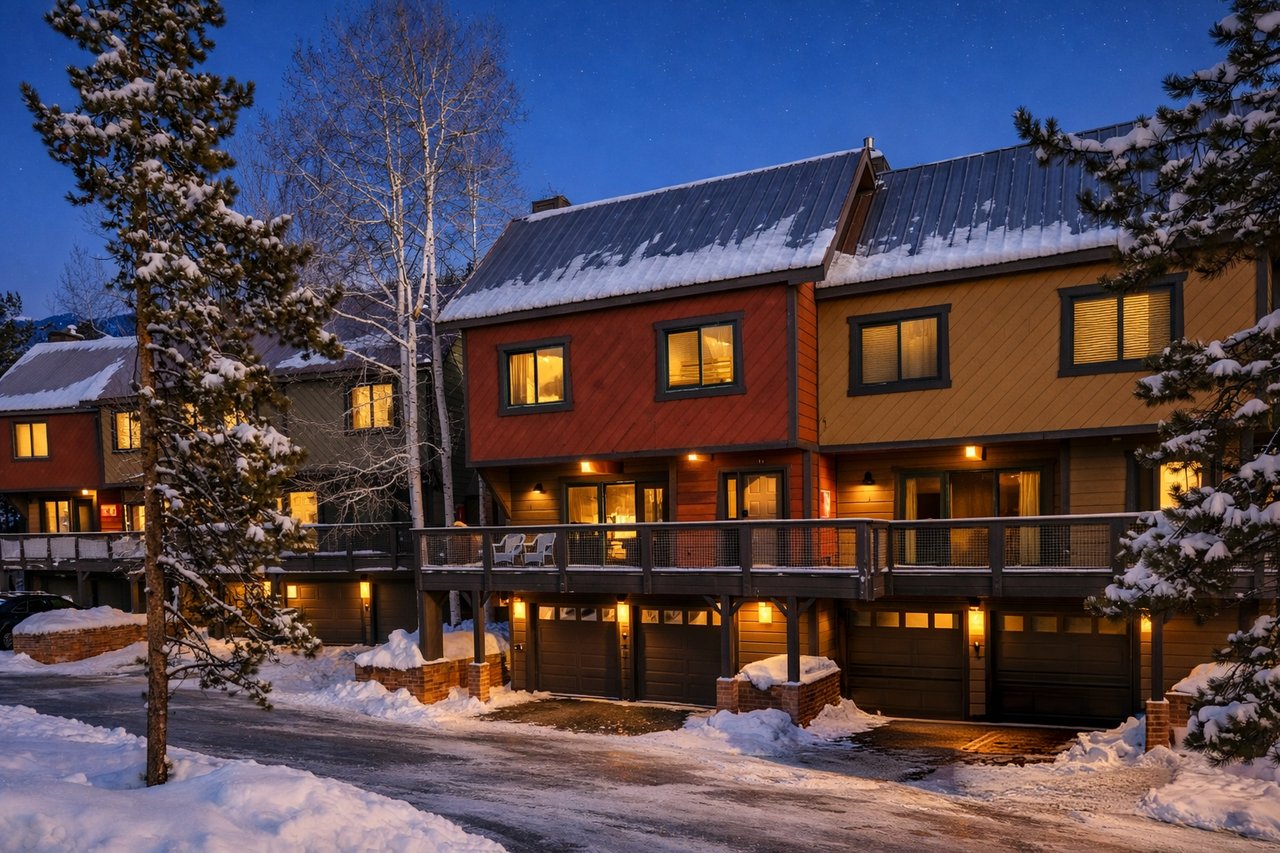
Steamboat II is the older west-side subdivision and has a more established feel. The county says it was created in the early 1970s, includes 204 lots across three filings, covers 108 acres, and averages about 0.34 acre per lot. Utilities are fully built out, interior roads are paved and lighted, and access comes off U.S. Highway 40 via County Road 42.
Steamboat II also includes dedicated open spaces and parks, but the county describes its internal trail system as more limited than Silver Spur’s. In practical terms, that means you still have recreation nearby, but the neighborhood fabric may feel a little less trail-centered block by block.
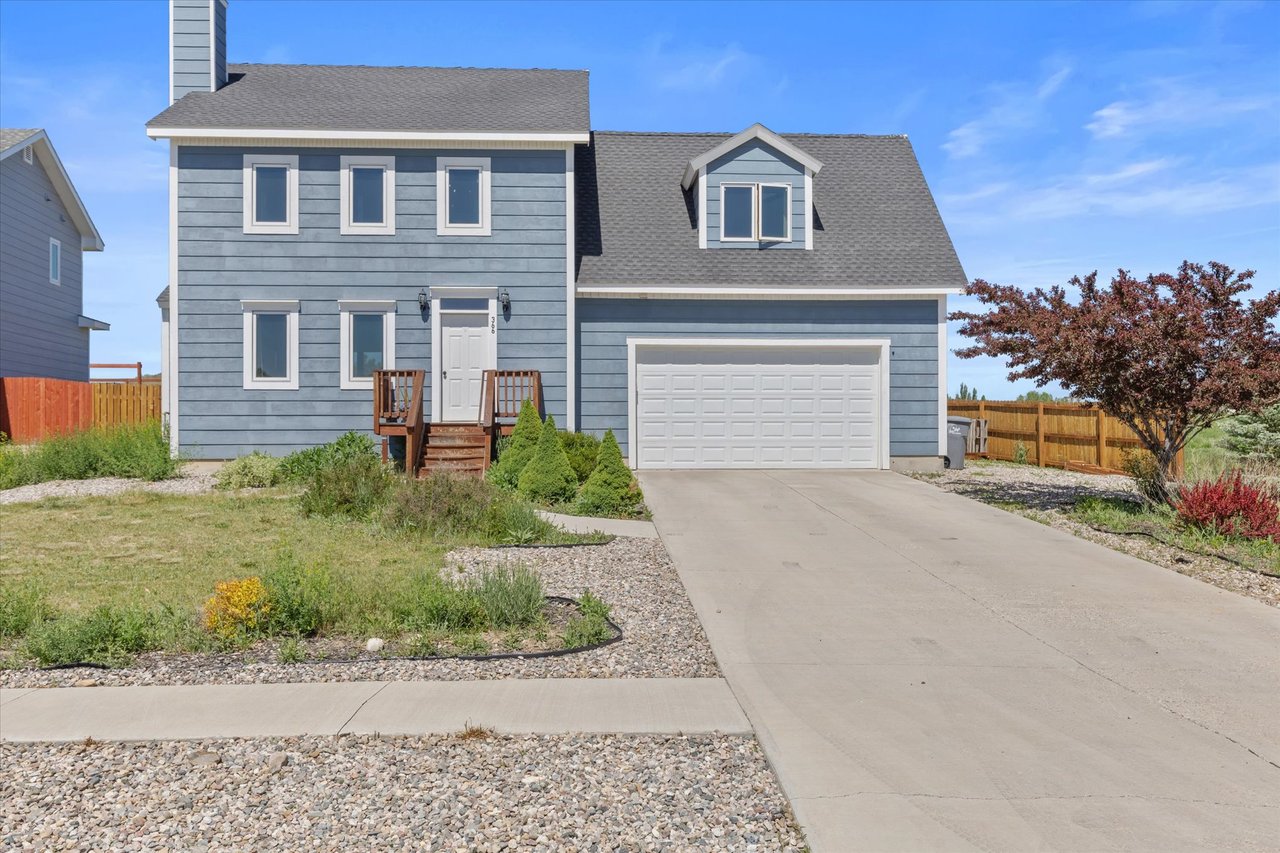
The housing stock in Steamboat II tends to reflect its earlier development period. Current examples show homes from the 1970s, including both more traditional properties and updated remodels. For many buyers, the decision here comes down to how much they value original character, renovation level, and lot utility versus newer finishes and a more recently developed streetscape.
How the neighborhoods feel different
Silver Spur feels newer and trail-oriented
If you drive or walk through Silver Spur, the overall impression is usually a little more open and purpose-built. The newer development timeline, neighborhood trail loop, open-space parcels, and park structure all contribute to that feel. Buyers who prioritize easy access to neighborhood recreation often notice this right away.
Silver Spur may also appeal if you prefer homes that feel more design-forward. While every property should be judged on its own condition and layout, the broader pattern suggests a newer-build environment with a more polished presentation.
Steamboat II feels established and practical
Steamboat II tends to feel more rooted and lived-in. Because it is older, you are more likely to see a mix of original homes, remodeled homes, and properties where updates vary from one address to the next. That can create more variety in both appearance and buyer strategy.
For some buyers, that is a real advantage. You may find a home with solid fundamentals and the chance to personalize over time, or a remodeled property that offers an established neighborhood setting without taking on a full renovation project.
Trails, parks, and outdoor access
Outdoor access is a major reason buyers look west in the first place. The City of Steamboat Springs maintains about 55 miles of trails, including more than 24 miles on Emerald Mountain, the 5.2-mile Spring Creek Trail, and the 7-mile Yampa River Core Trail, which serves as a commuter route through town.
Within the neighborhoods themselves, Silver Spur has the stronger neighborhood-specific open-space story. The county points to seven open-space parcels, a park and playground, and an extensive trail system that wraps around the subdivision. Steamboat II has parks and open space too, but its internal trail network is more limited.
That said, both neighborhoods benefit from the larger Steamboat II Metro District recreation system. The district serves Steamboat II, Heritage Park, and Silver Spur, and manages about 90 acres of open space, three parks, an athletic field, playgrounds, six miles of soft-surface trails, about eight miles of winter cross-country ski trails, a 5,000-square-foot ice rink, a volleyball court, and a frisbee golf course.
Lot size and housing stock
From a lot-size standpoint, these neighborhoods are more alike than different. Both are considered small-lot west-side subdivisions rather than rural properties with acreage. Silver Spur lots range from 0.29 to 0.53 acre, while Steamboat II averages about 0.34 acre per lot.
The bigger difference is age and presentation. Silver Spur was developed later, so it often feels newer in both architecture and layout. Steamboat II’s older housing stock means buyers tend to weigh remodeling quality, maintenance history, and floor-plan updates more carefully.
A simple way to think about it is this:
| Feature | Silver Spur | Steamboat II |
|---|---|---|
| Development era | Platted 1996, developed 2001 | Early 1970s |
| Lot pattern | 0.29 to 0.53 acre | Averages 0.34 acre |
| Overall feel | Newer, more polished | Older, more established |
| Internal recreation | Extensive encircling trail system, park, playground | Parks, open space, limited trail system |
| Housing impression | More contemporary and turnkey-feeling | More variation in age and remodel level |
Commute and daily convenience
Both neighborhoods function as car-first west-side communities. They are accessed off U.S. 40 and sit roughly five miles west of downtown, so neither one should be viewed as a walk-to-downtown location. If your routine depends on frequent trips into central Steamboat, you will want to think about drive times and how often you want to be in the car.
For many buyers, that tradeoff is worth it. You get a neighborhood setting that stays close to town while offering more breathing room than some denser in-town locations. The key is deciding whether you want that setting to feel newer and more trail-integrated, or more established and flexible.
Which neighborhood may fit you better
The right choice depends on what matters most in your search. Neither neighborhood is universally better. They simply solve for different priorities.
Silver Spur may be the better fit if you want:
- A newer neighborhood feel
- More built-in open space within the subdivision
- Strong internal trail access
- Homes that often feel more contemporary
- A more polished, design-forward impression
Steamboat II may be the better fit if you want:
- A more established west-side neighborhood
- More variety in home style and condition
- The chance to consider remodeled and value-conscious options
- A practical layout with built-out infrastructure
- Access to the same broader metro-district recreation system
Why this comparison matters in today’s market
Because west Steamboat is a thinner, more selective market, neighborhood choice matters. In Q1 2026, West Steamboat recorded just 6 closed sales and 15 active listings, alongside that $1.51 million median sales price. In a market with limited inventory, understanding the character of each neighborhood can help you act faster and more strategically when the right home comes up.
This is especially true if you are weighing tradeoffs between finish level, neighborhood setting, and long-term fit. A polished newer home in Silver Spur and a well-updated home in Steamboat II may serve very different goals, even if they sit in the same broad west-side area.
Final thoughts on Silver Spur vs. Steamboat II
If you want a west-side neighborhood that feels more trail-centered, open, and newer, Silver Spur often rises to the top. If you prefer an established setting with a wider mix of home ages and renovation levels, Steamboat II may give you more flexibility. Both offer access to the broader recreation network that makes this part of Steamboat so appealing.
The best next step is to compare specific homes, not just subdivision names. In a market like Steamboat, the right block, lot orientation, update level, and trail adjacency can matter just as much as the neighborhood label. If you want local guidance on west-side homes, pricing, and what to watch for as inventory shifts, schedule a consultation with The Boyd & Berend Group.
FAQs
What is the main difference between Silver Spur and Steamboat II in Steamboat Springs?
- Silver Spur generally feels newer, more polished, and more trail-oriented, while Steamboat II feels older, more established, and offers more variation in home age and remodel level.
Are Silver Spur and Steamboat II both on Steamboat’s west side?
- Yes. According to the Routt County Assessor, both neighborhoods are in Economic Area 8, about five miles west of downtown Steamboat Springs.
Does Silver Spur have more trail access than Steamboat II?
- Within the neighborhood itself, yes. Routt County describes Silver Spur as having an extensive trail system encircling the subdivision, while Steamboat II has a more limited internal trail system.
Do Silver Spur and Steamboat II share the same recreation amenities?
- They share access to the broader Steamboat II Metro District recreation system, which includes open space, parks, trails, winter ski trails, an ice rink, playgrounds, and other amenities.
Are homes in Silver Spur newer than homes in Steamboat II?
- In general, yes. Silver Spur was developed in 2001, while Steamboat II dates to the early 1970s, so Silver Spur typically has newer housing stock.
Is west-side Steamboat still considered a value market?
- Current market data suggest west-side Steamboat is a premium in-town submarket. In Q1 2026, West Steamboat had a median sales price of $1.51 million, above the Steamboat Springs overall median of $1.17 million.