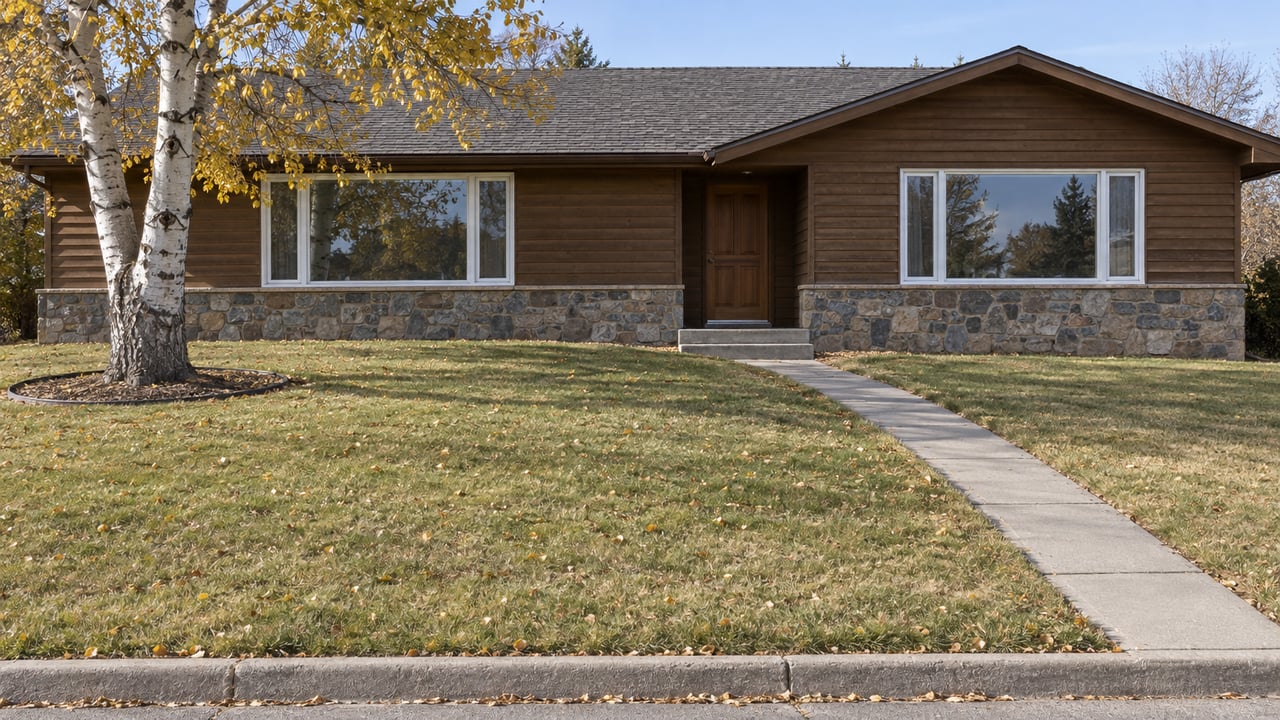
In the fall of 2024, a leak on Blue Heron Drive was the Steamboat II Metropolitan District's first-priority fix. As Steamboat Pilot & Today reported that October, the district's whole water system was losing more than 30 gallons a minute. By the end of 2025, the district had replaced about 320 feet of main along the south end of Blue Heron Drive, added a fire hydrant, fixed three emergency main breaks and two large leaks, and cut its water loss by more than 60%.
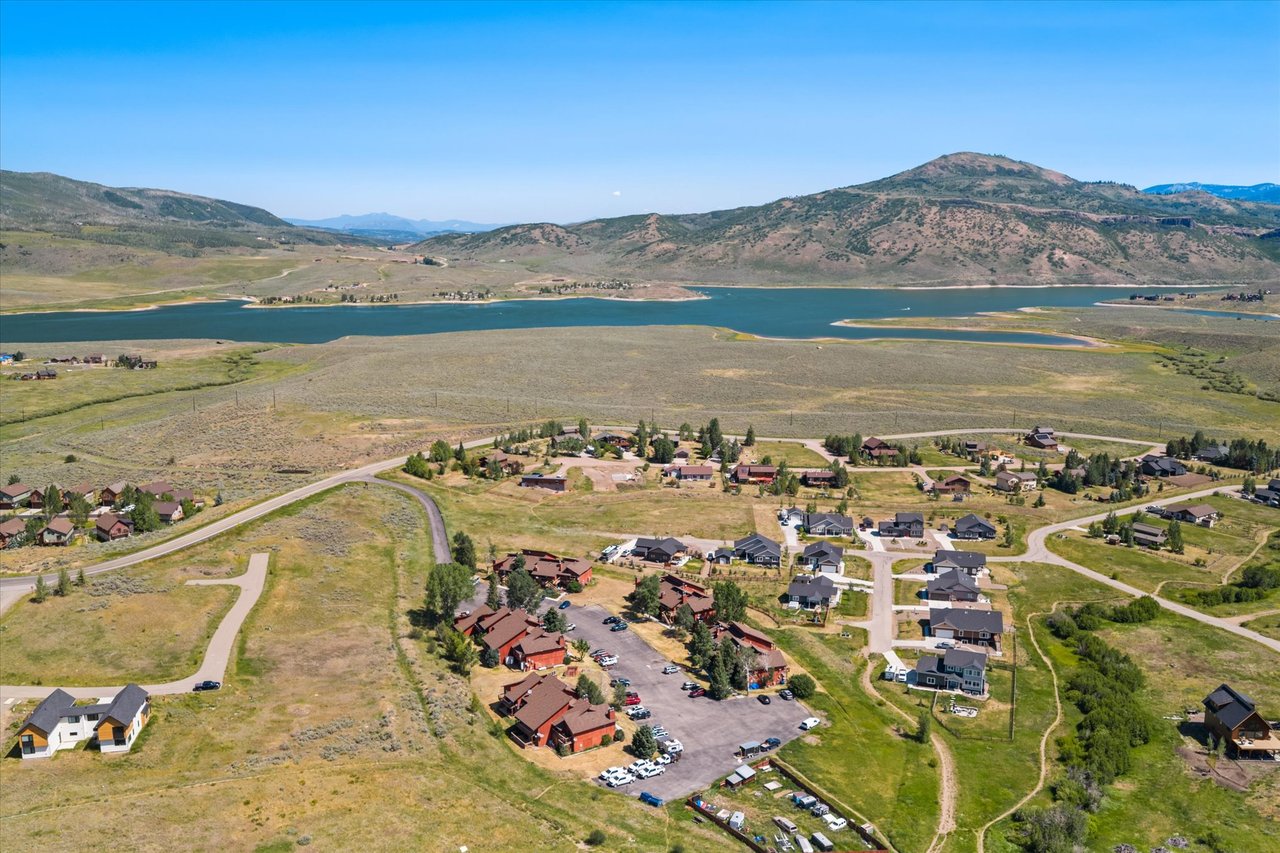
Steamboat II, Heritage Park and Silver Spur get their water from the City through that district, and the district has almost no new homes left to build. Together, those facts set the cost of owning here more than the list price does.
The Line From the Main to the House
The district's Rules and Regulations state, "The District assumes no responsibility for taps or water or sewer service lines extending from the sewer or water main to each unit or building for each Consumer." Another section says consumers "shall keep and maintain the service pipe, stopcocks and appurtenances connecting their water supply in good repair and protected from frost at their own expense." The rules define a consumer as "the owner or registered resident." The document's cover shows it was adopted in 1996 and revised in 2005.
This rule has had real costs. The district's 2025 year-end letter says that besides its own main work, there were "multiple homeowner water and sewer service repairs" that the district oversaw, aimed at "leaking/failed service lines, as well as addressing faulty curb valves within the service lines." In a system the developers of Steamboat II started in 1971, the service line under a front yard may be as old as the house it feeds.
Buyers looking at homes here can ask about the service line the same way they ask about the roof. This is general information, not legal or financial advice. Confirm how the district's rules apply to a specific property with the Steamboat II Metropolitan District and your own inspector or attorney.
Why a Built-Out District Bills Its Owners
Steamboat II's rates make sense once you see how the district paid for itself in the past. In the Pilot's October 2024 story, district leaders said base rates had not risen significantly in at least 20 years. Tap fees from new homes helped fill the budget, but the district was by then "very close to full build-out." It serves about 420 residential properties. When no new homes are coming, the cost of pipes laid in the early 1970s falls on the people who already live there.
The board responded on October 21, 2024, voting 4–0 to adopt Resolution 24-1021, which set water and sewer rates for 2024 through 2027. The roughly 46% combined increase reported before the vote was the proposal on the table. The district's budget shows what followed:
| Steamboat II Metro District enterprise fund | 2024 actual | 2025 expected | 2026 budget |
|---|---|---|---|
| Water service charges | $193,107 | $379,100 | $430,500 |
| Sewer service charges | $264,227 | $367,800 | $380,100 |
| Repairs and maintenance | $42,919 | $91,000 | $406,000 |
| Water purchase | $226,736 | $371,600 | $340,000 |
| Tap/connection fees | $5,396 | $2,900 | $20,000 |
| Draw from reserves | $0 | $12,000 | $150,757 |
Tap fees make up a small share of revenue, even in a year budgeted at $20,000. Repairs and maintenance in 2026 are budgeted at more than four times the 2025 figure, and the district plans to draw about $150,757 from reserves to balance the year.
For a household, the 2026 budget sets a residential water base rate of $41.60 and a flat residential sewer rate of $71.85 a month. That is $113.45 before any water is used. Water use is billed in tiers.
- 0 to 5,000 gallons: $3.30 per 1,000
- 5,001 to 10,000 gallons: $4.95 per 1,000
- 10,001 to 20,000 gallons: $7.70 per 1,000
- 20,001 to 30,000 gallons: $12.35 per 1,000
- Above 30,000 gallons: $19.25 per 1,000
Using those tiers, a month with 8,000 gallons comes to about $144.80. A summer month with 25,000 gallons for irrigation comes to about $293.45. The tiers are built so that heavy outdoor watering costs much more than indoor use. Qualifying seniors pay half the base rate, or $20.80.
The district also collects property taxes. For 2026 it levies 20.700 mills, 13.000 for general operations and 7.700 for parks, the same as 2025. The parks levy pays for the district's parks, greenbelts, trails and the neighborhood ice rink.
The Water Price Is Set by the City
Steamboat II has bought City water since 1993, when the district added a 12-inch main. Since 1981 its wastewater has gone to the regional municipal plant. Buying water from the City is the district's single largest operating expense, budgeted at $340,000 for 2026.
That means City rate decisions reach Steamboat II. In the same Pilot story, Steamboat Springs water resources manager Julie Baxter said that if City water and wastewater rates rise, "the charges to supply services to customers such as Steamboat II Metropolitan District also will increase." The City later adopted a three-year schedule. According to its January 2025 rate notice, the City's own residential monthly water base rate goes from $36.75 in 2025 to $41.72 in 2026 and $46.59 in 2027. The district's residential base for 2026 is within pennies of the City's. Steamboat II's own 2027 rates are already set under Resolution 24-1021, but the wholesale water those rates pay for keeps getting more expensive.
The City's rules come along with its water. On March 30, 2026, the district put Stage 2 drought restrictions in place "as a customer of the City of Steamboat Springs water system," in step with the City and Mount Werner Water. That meant no vehicle washing at homes, no washing of driveways, no decorative water features, and a request to wait until June 1 to turn on irrigation. Steamboat Radio reported on October 22 that the City and Mount Werner had ended their Stage 2 restrictions. Steamboat II owners can check the district's news page for the district's own status.
Next Door, Water Sets the Timeline Too
The same west-side water system decides how fast the land next to Steamboat II can change. In June 2026, the Pilot reported on a City analysis estimating that Slate Creek, the Yampa Valley Housing Authority's site formerly known as Brown Ranch, could support roughly 400 to 500 homes with current capacity, and that drinking water was the main limit. The earliest move-ins would be in 2029. That estimate depends on west-side upgrades: replacing the Willett Heights pump station, improving pressure-reducing valves, and creating a new Sunlight pressure zone, all expected by 2029.
Slate Creek also depends on a vote. City electors rejected the Brown Ranch annexation in 2024, with an interim count of 2,903 against and 2,074 in favor. YVHA has chosen to aim for a new annexation vote in November 2027 instead of 2026. At its October 9, 2026 meeting, the steering committee was still reviewing whether that date is workable and still testing development scenarios.
The Trail Stops at the Glen
For Steamboat II, the most visible effect of the Slate Creek decision may be a sidewalk. The City's US 40 West Trail Connection, built by Duckels Construction under a $6,811,035 contract, was scheduled to reach the KOA entrance from Snow Bowl Plaza before the November 1 start of the winter construction moratorium. The 2027 season adds a pedestrian tunnel under US 40, sidewalk links to Sleepy Bear and the KOA, and a final connection to the Glen subdivision access road, with completion expected by October 2027. Drivers should expect lane shifts and lower speeds.
The funded project ends with about 200 feet of sidewalk at the Glen. On its project page, the City says a paved trail toward the Steamboat II Metro District boundary near County Road 42 would be built as Slate Creek is built out if the land is annexed. If the land stays outside city limits, the extension falls to Routt County. The trail link to town that Steamboat II homes don't yet have depends on the November 2027 vote.
A Market That Gives Buyers Time to Ask
These questions take time to answer, and the market currently gives buyers more of it. Neighborhood-level figures for Steamboat II are not published in the source used here, but Colorado Association of Realtors data for all of Routt County shows the pace slowing. In September 2026, the countywide single-family median was $1.5 million, the same as September 2025, with 29 sales both months. Days on market rose from 69 to 76. Townhomes and condos moved more slowly. Their September 2026 median was $869,000, down from $950,000 a year earlier, and days on market went from 63 to 113.
When homes take longer to sell, a buyer has room to look at the service line, check the district's rate schedule and review the levy before closing. A seller who already has answers on the service line can keep that question from slowing the sale.
FAQ
Who serves water and sewer in Heritage Park and Silver Spur? The Steamboat II Metropolitan District serves Steamboat II, Heritage Park and Silver Spur.
Are Steamboat II's 2027 rates already set? Resolution 24-1021 sets the district's rates for 2024 through 2027. The City's own residential water base is scheduled to rise again in 2027.
Where can I find the district's budget and rules? The district's documents page lists its rules, rate documents and forms.
If you're weighing Steamboat II, Heritage Park or Silver Spur and want to know what the service line, the district's rates and next door's Slate Creek timeline mean for a specific home, The Boyd & Berend Group can go through the district documents with you before you write an offer. Schedule a consultation.